
Faculty Spotlight: Neil Heller

Neil Heller is an urban planner, designer, and small-scale developer based in Portland, Oregon. A member of IncDev’s faculty, Neil emphasizes “pro forma-powered planning,” ensuring that local land use policies (like zoning) align with what’s economically feasible.
His work on Portland’s Residential Infill Project helped to allow for additional density in neighborhoods in exchange for affordable units. Heller’s development math—informed by real world experience—showed how the extra units would help affordable housing developers be able to compete for land in high-amenity neighborhoods.
During the pandemic, Heller coined the concept of Accessory Commercial Units, or ACUs. Like their cousin the ADU, ACUs represent an older way of building that was once commonplace—think a small shop or cafe built into the front of a home. Zoning in most municipalities prevents these from being built today, but Heller has been instrumental in popularizing the idea, which has since inspired cities like Los Angeles, Pomona, and Berkeley in California and Ann Arbor, Michigan.
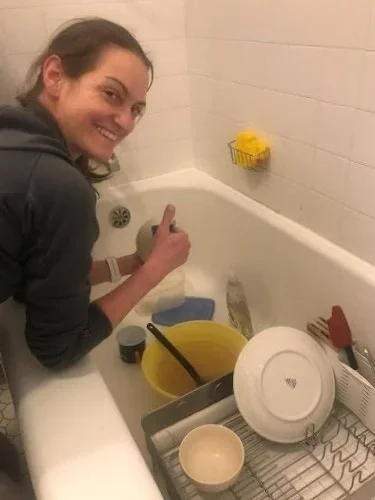
Heller’s first project was a duplex that he and his wife renovated. “We started small,” he says, “Using owner-occupied financing for those first few projects. It’s not glamorous—there were sacrifices” —sacrifices like living through construction dust and using the bathtub to wash dishes during a kitchen renovation. “This isn’t just a job,” he says, “It’s a lifestyle. Before I ever asked for outside money, I built up my own resume by rolling up my sleeves and making it happen.”
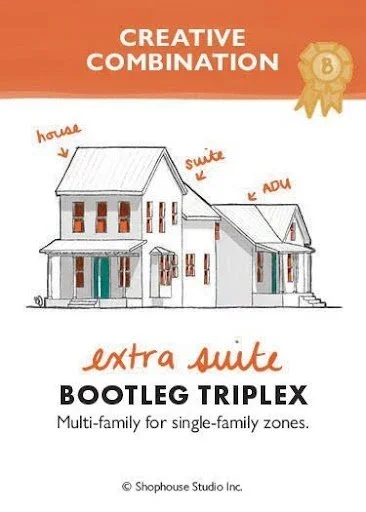
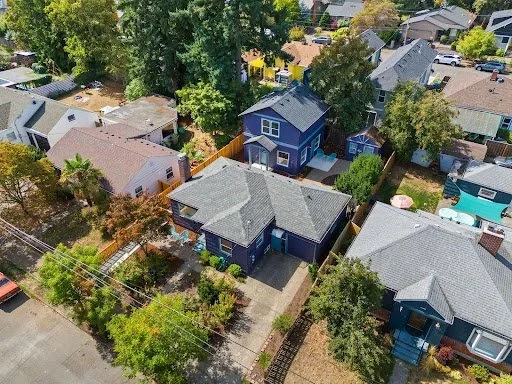
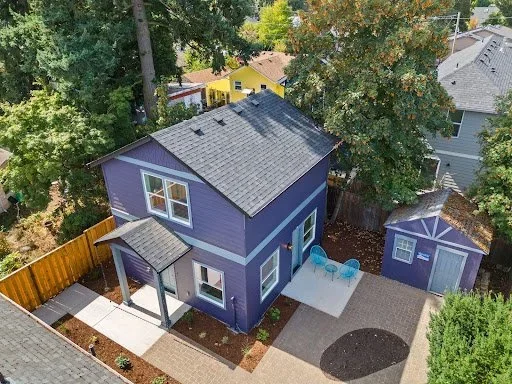
Heller’s development portfolio has grown from that duplex to a single-family home and adding a basement suite and backyard Accessory Dwelling Unit, or ADU. Some of this has involved code hacks, like finishing out the basement into a suite to boost the amount of square footage in the principal dwelling, which increased the size of ADU that he could build. The original dwelling, the basement suite, and the ADU combined to create a “bootleg triplex.”
Financing the ADU was a bit of a challenge, as most loan options wouldn’t allow him to count future income from the unit. While a Federal Housing Administration 203(K) loan would have permitted the inclusion of the rental income, that would have required refinancing the whole property at today’s higher interest rates. Fortunately, Heller was able to partner with a local Community Development Finance Institution (CDFI), who took a second position on the property without refinancing and ensured that the project remained economically feasible.
But beyond creative code hacks and finance strategies, incremental development also requires thoughtful property management—effectively, being a good neighbor. Heller talks about winning favor with neighbors by focusing first on a clean, tidy yard and buying BBQ for his day laborers. When it comes to tenants, strict vetting is important, but establishing good relationships is also key—like giving his tenants an Airbnb gift card “to have a night away on us,” he says. “We value return on community as much as we value return on investment.”
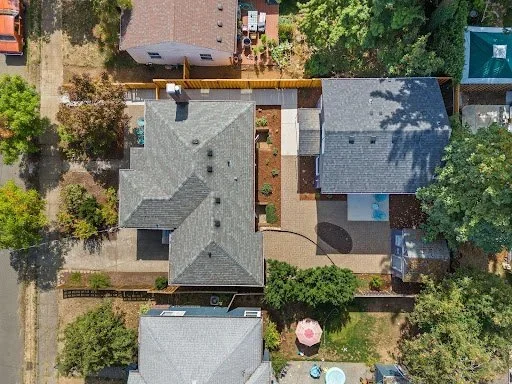
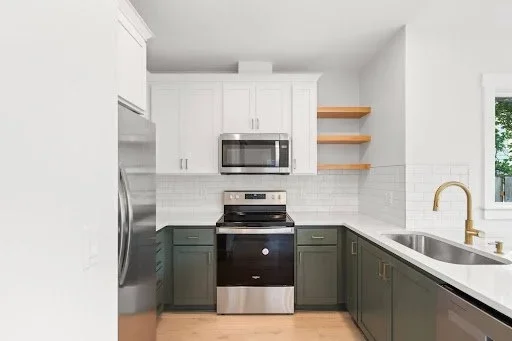
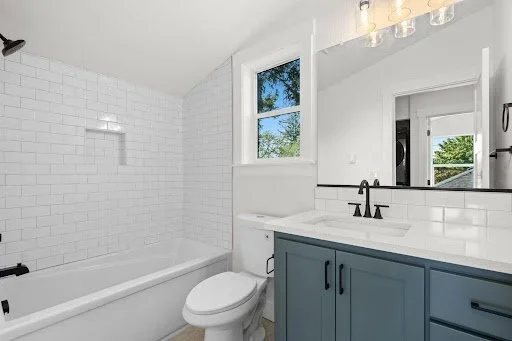
Asked why he advocates for and practices incremental development, he says that “at the end of the day, the developers make the place.” Zoning and other policies can set the stage for small-scale developers, but developers are ultimately the catalyst for meaningful neighborhood change. In a time when large scale developers are pumping the brakes, local, small-scale developers are still pressing on.”
“At the end of the day, the developers make the place.”
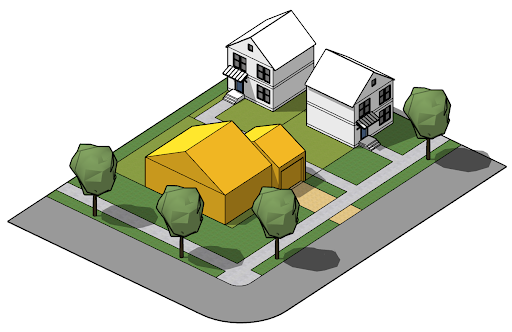
In the spirit of pressing on, Neil’s latest project includes the acquisition and renovation of an existing house on a large lot where he will also add two new cottages. All homes will then be sold at, or below, price points affordable to median income earners.
Small developers and their champions can work with Neil’s firm, Neighborhood Workshop, for zoning code audits, policy sensitivity testing and yield projections. Neil also is an active IncDev Faculty Member and travels the country facilitating Small Scale Development Workshops and Boot Camps.