Alumni Story: Eddie and Teri Coates
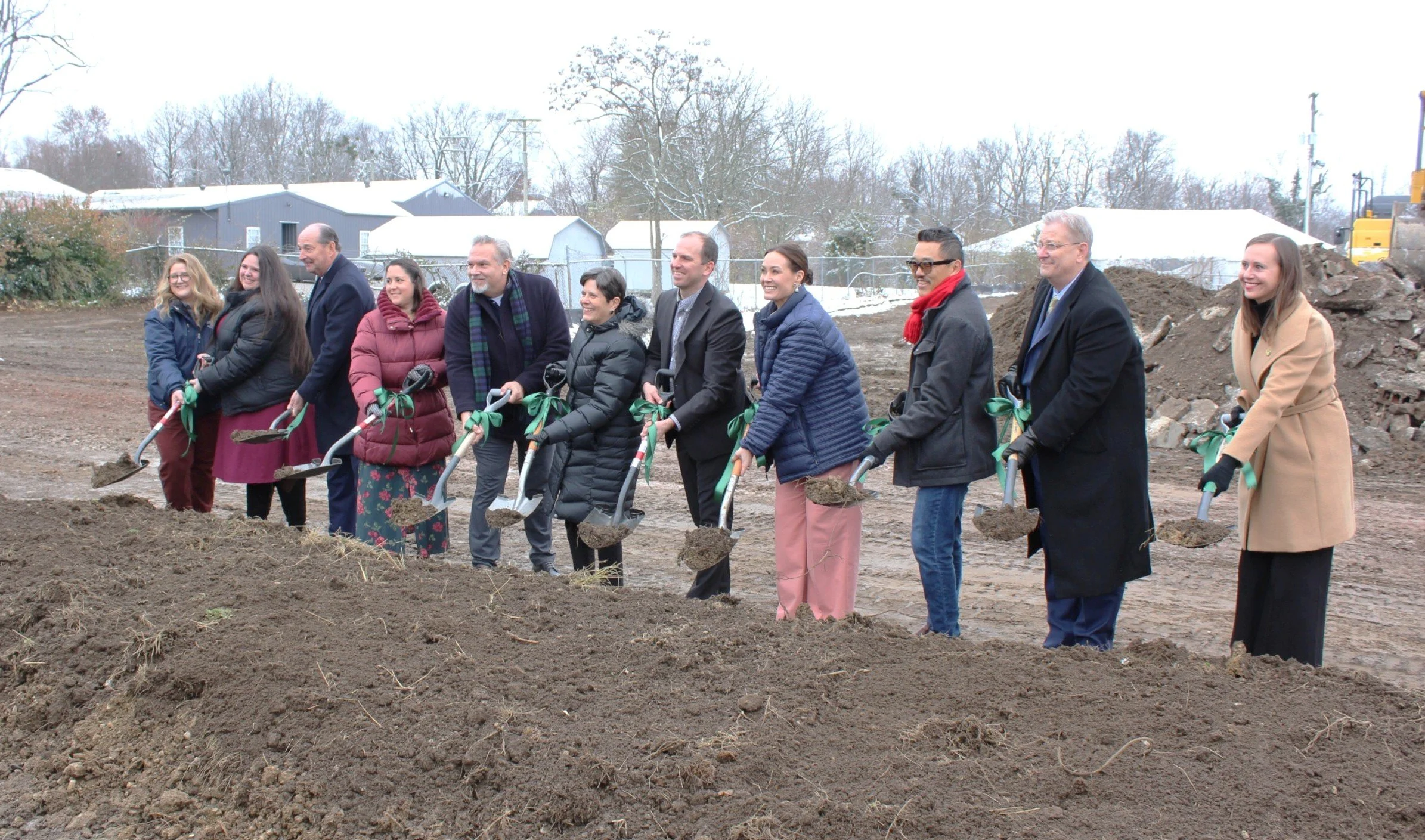
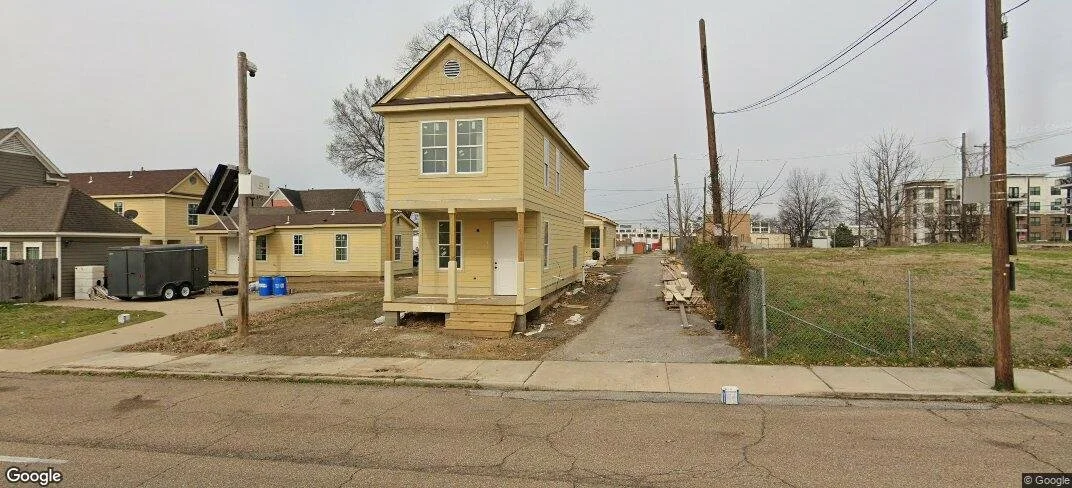
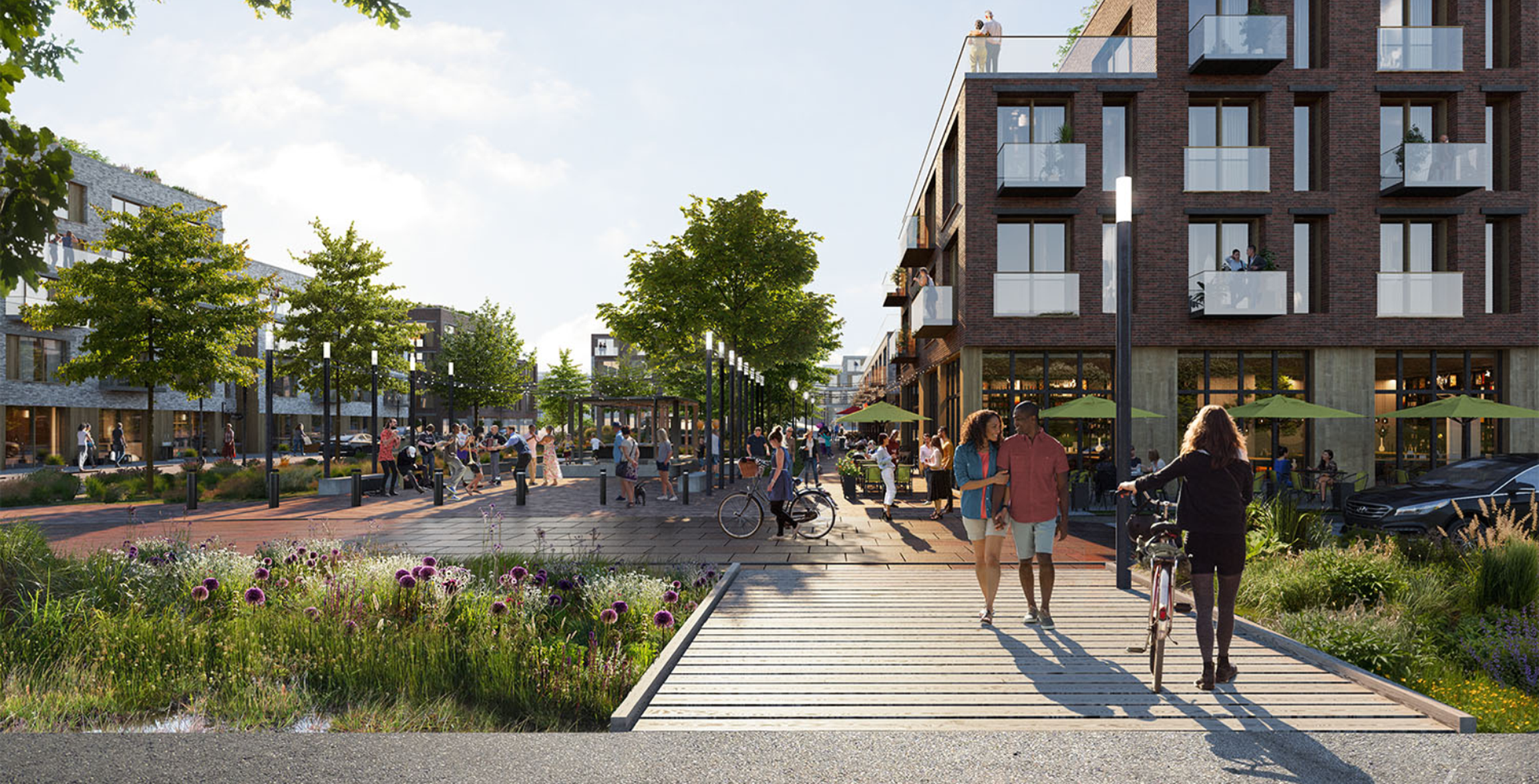
Eddie and Teri Coates see enormous potential in downtown Edmond, Oklahoma—and they’re working to help realize it. Their projects range from transforming three boarded-up houses into 34 homes to planning a larger mixed-use development with apartments, offices, a YMCA, and a pedestrian-focused alley lined with micro-retail. Through it all, they’re embracing an IncDev approach that starts with understanding a place and figuring out what belongs there.
Read More
Alumni Story: Will Hanrahan
First-time developer Will Hanrahan is transforming a vacant former industrial property in Lexington, Kentucky, into The Railyard, a $7.5 million mixed-use infill project with 32 homes and neighborhood commercial space. An IncDev workshop helped Will find the community, confidence, and network he needed to navigate everything from brownfield remediation and financing to design and construction. Now, he hopes The Railyard can become a proof of concept that inspires more people to take on small-scale infill projects of their own.
Read More
Alumni Story: Dominique Johnson
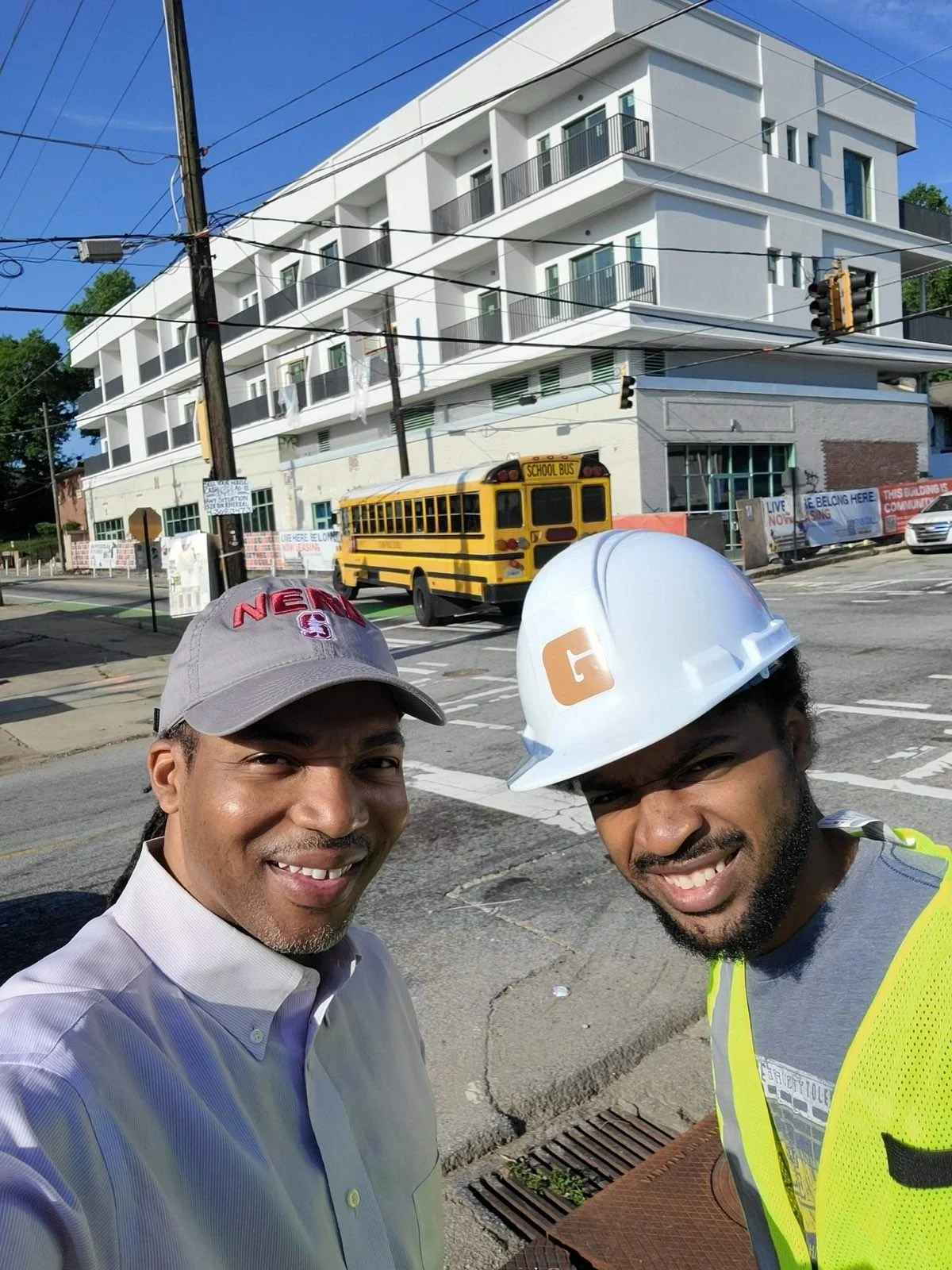
Atlanta real estate broker Dominique Johnson came to IncDev with “all these lofty ideas” about development but without the language or framework to put them into practice. Since attending a 2019 Boot Camp, she has built her expertise in missing middle housing and helped clients use real estate in ways that strengthen families and neighborhoods—including helping four generations of one family live within half a mile of each other. Today, she continues to pursue small-scale infill while staying focused on what neighborhoods actually need.
Read More
Faculty Story: Matt Peacock
Architect and former Norman, Oklahoma, City Council member Matt Peacock has spent his career thinking about how thoughtful development and better policy can strengthen communities. His work—from infill architecture to changing parking minimum requirements into recommendations—reflects a belief in investing back into your own “farm.” As an IncDev faculty member, he encourages aspiring developers to learn from others, understand the risks, and start small. As Matt puts it, “The worst thing a first-time developer can do is go out there and try to build a 40-unit complex. Just go build an ADU in your backyard.”
Read More
The Typical Builder Starts Five Homes a Year. Housing Policy Should Take That Seriously.
By: Chris Allen
A number in the National Association of Home Builders’ latest member census jumped out at me.
The typical NAHB builder member started five housing units in 2025.
Not 50. Not 500. FIVE.
Read More
Parking Reform - and Why it Matters for Creating More Housing in Your City
Communities should stop using one-size-fits-all parking mandates and instead allow parking decisions to be right-sized to the project, the site, and the neighborhood context.
Read More
Alumni Story: Seth Harkins
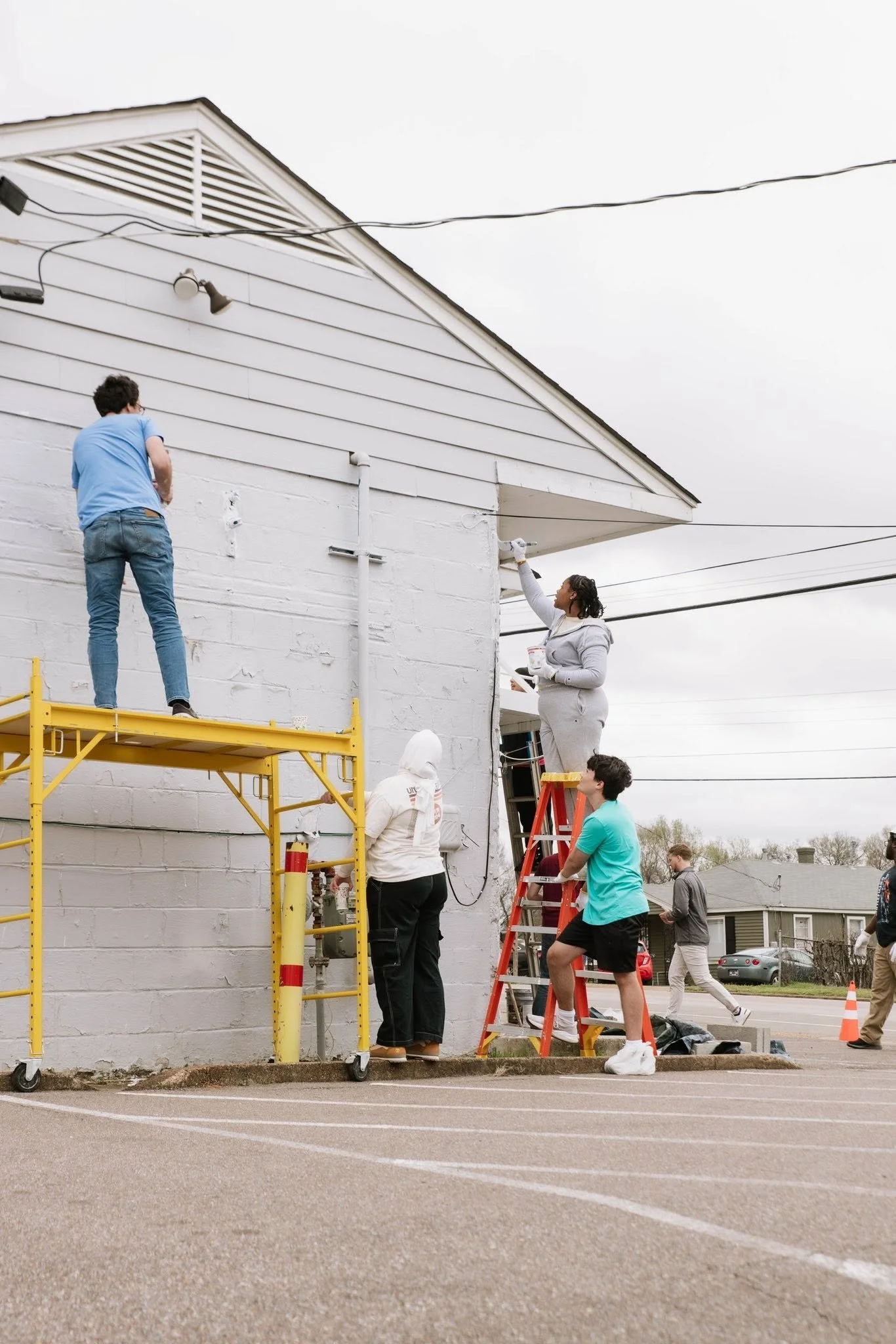
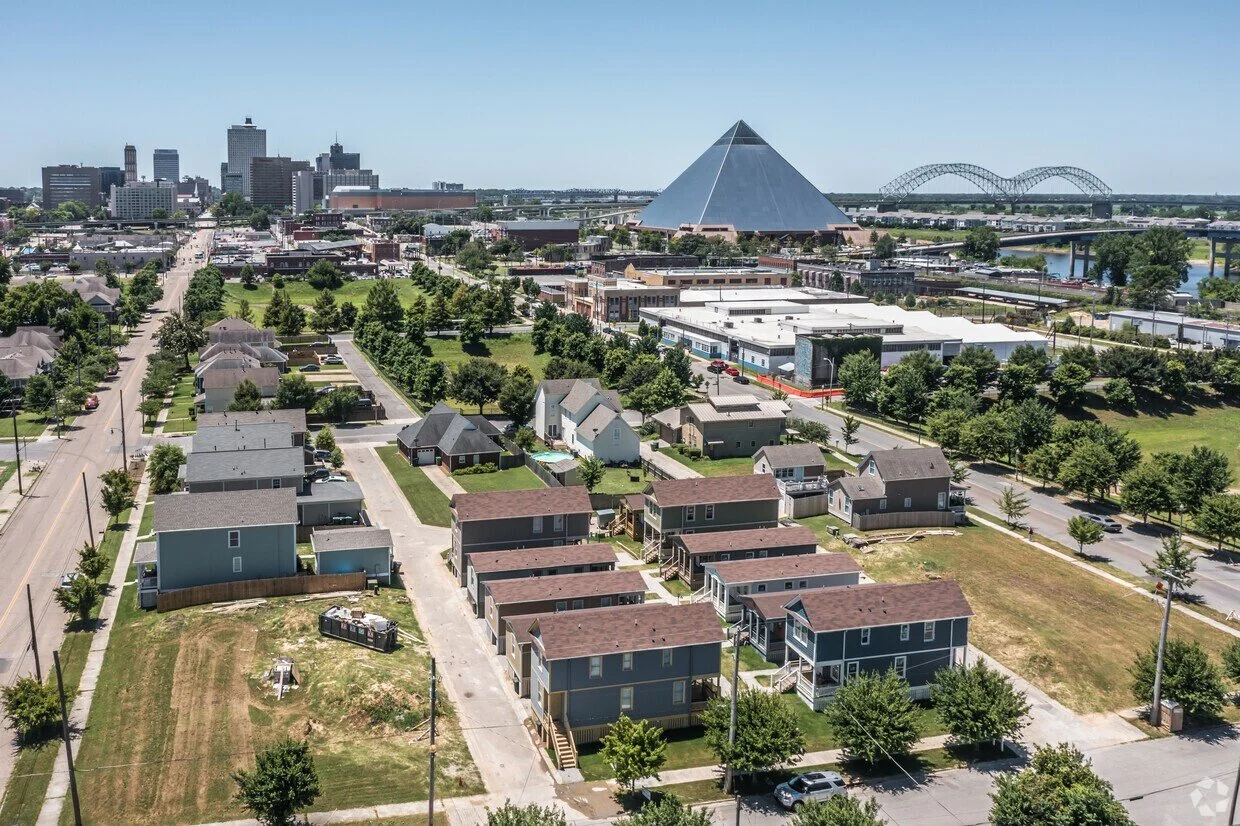
Former math teacher Seth Harkins found his way into development through his work with Memphis’s Alcy Ball Development Group, where buying and improving property became another tool for investing in the neighborhood. An IncDev Boot Camp helped Seth learn to evaluate projects, understand their financial risks, and embrace the idea that “you can own something today that’s not in its final form.” Today, Alcy Ball is rehabbing and building homes, creating gathering spaces, and earning deep neighborhood support—all while showing that development is a skill that can be learned.
Read More
What You Need to Know About Housing Finance + Incremental Development
Financing is one of the biggest barriers to rebuilding a healthy ecosystem of small-scale development. Many communities have changed their zoning, adopted housing plans, or expressed support for missing middle housing, but the projects still do not happen at the pace people expect. One reason is simple: the capital system is not built for the kind of small, local, incremental projects that many neighborhoods need most.
Read More
Alumni Story: Ave Mondie and Aric Hotchkiss
Ave Mondie and Aric Hotchkiss, who together lead Hopscotch Construction in Memphis, TN, approach development with a shared interest in bringing neglected properties back to life—and finding ways to make that work both healthier and more replicable.
Read More
Alumni Story: JT Malasri
JT Malasri's first development project transformed two vacant lots into four new homes, demonstrating how small-scale infill can strengthen existing neighborhoods. His story explores how an Incremental Development Alliance Boot Camp gave him the confidence and practical tools to turn that vision into reality.
Read More
Alumni Story: Stephanie Wade-Armando
Originally constructed as a house in 1858, this Memphis building later became the home of Griggs Business and Practical Arts College, one of the first historically Black colleges in Memphis. IncDev alumni Stephanie Wade-Armado has a vision to restore the two-story building and transform the half-acre property into a mixed-use destination with apartments on the upper floor and light retail below.
Read More
Building Bloomington from Within: How Hopewell Is Reshaping What's Possible
Bloomington, Indiana is Indiana's most housing cost-burdened metro area. Now, on the site of the former IU Health Bloomington hospital, the city has a rare shot at something different: a neighborhood built close to downtown and designed around the people who call Bloomington home, not just the next wave of student housing.
Read More
Alumni Story: Bryce Morrow
IncDev alumni Bryce Morrow's development journey shows how small, incremental projects can grow into lasting community investments. Beginning with a pioneering ADU conversion in Portland, he steadily expanded into larger adaptive reuse projects—including Oregon City Brewing and the Canby Beer Library—while embracing hands-on project management, creative financing, and a commitment to preserving existing buildings and strengthening neighborhoods one project at a time.
Read More
Alumni Story: Andre Jones
Andre Jones has spent decades investing in the Memphis neighborhood where he lives and works. A builder by trade, he grew up around construction; his father was a brick mason, and he and his brother eventually became general contractors building homes in the suburbs. But over time, Jones became increasingly interested in a different kind of development: smaller footprint, higher quality housing that could strengthen existing neighborhoods rather than expand outward.
Read More
Faculty Spotlight: Ivy Vann
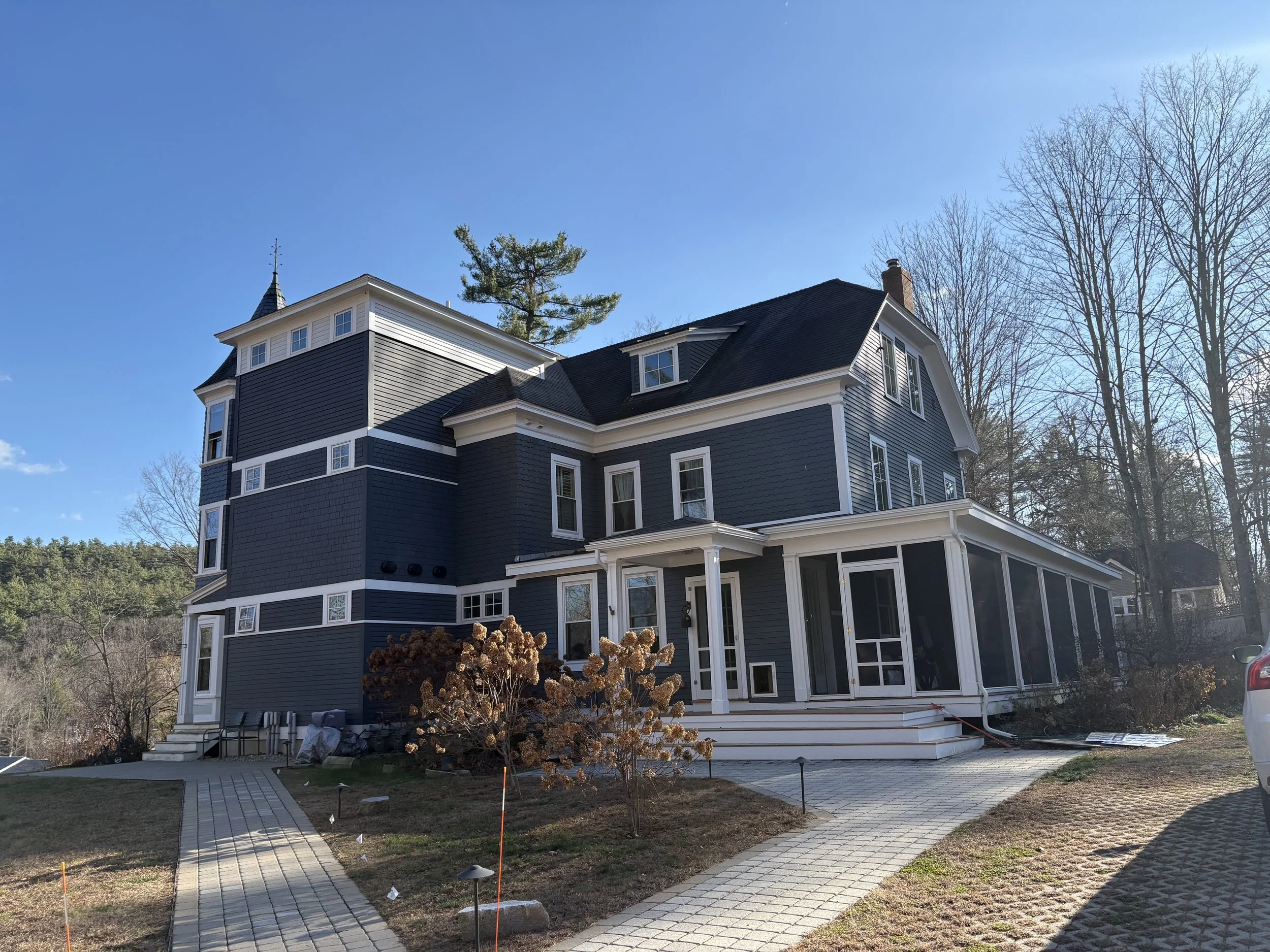
When Incremental Development Alliance teaching faculty Ivy Vann and her husband bought their 1895 Victorian in Peterborough, NH, they weren't setting out to become developers. They were looking for a home for their family. The 6,000-square-foot former mansion had already lived many lives—as a nursing home, boarding house, youth hostel, and bed-and-breakfast—and Ivy saw another chapter waiting to be written.
Read More
Faculty Spotlight: Jen Acosta
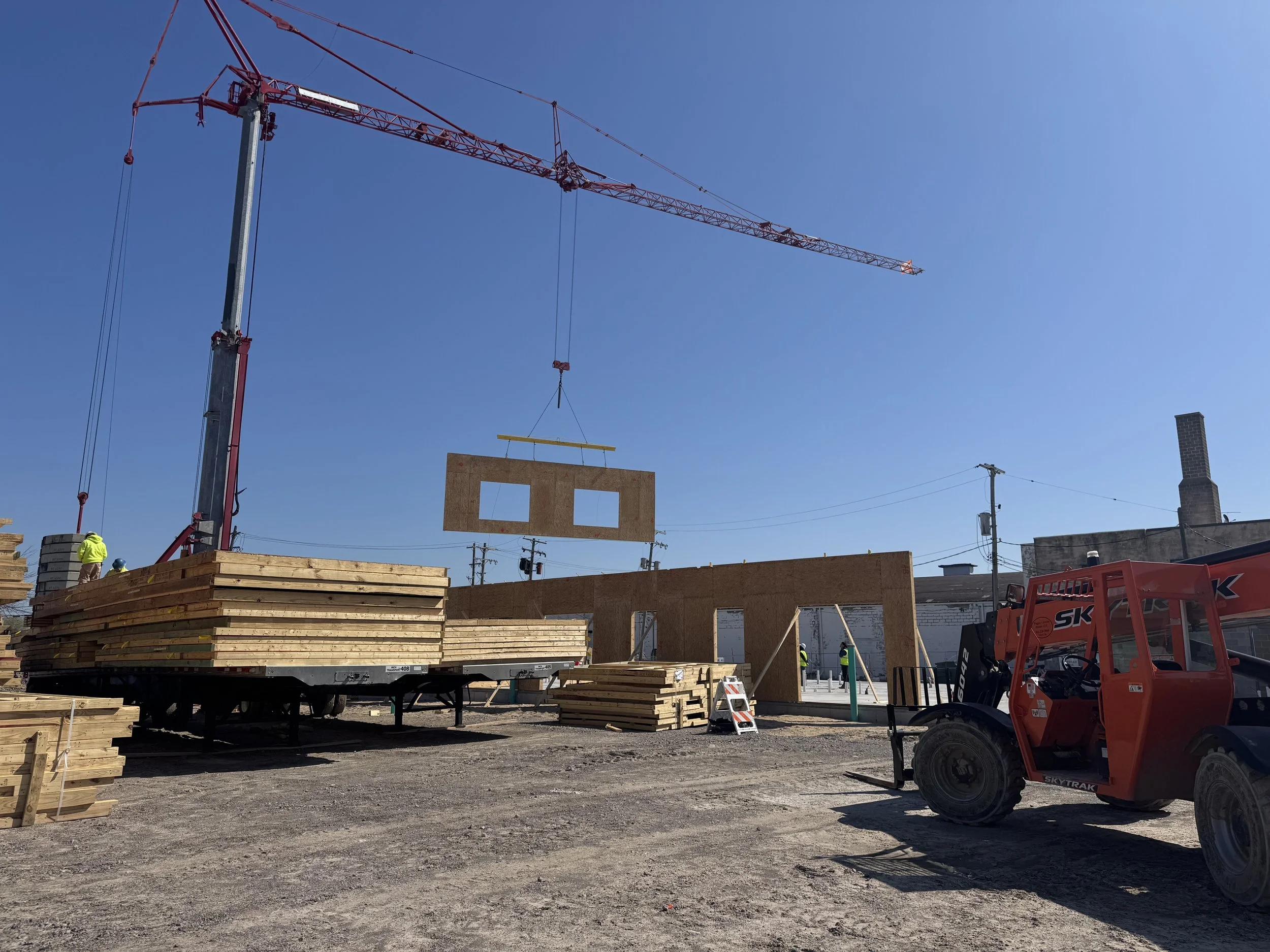
Jen Acosta is a developer, housing strategist and IncDev faculty. Here, she shares the story of one of her current pioneering projects in Bay City, Michigan—a contaminated former mill site that is being remediated and turned into over 80 new apartments and commercial spaces.
Read More
Alumni Story: Cameron Brewer
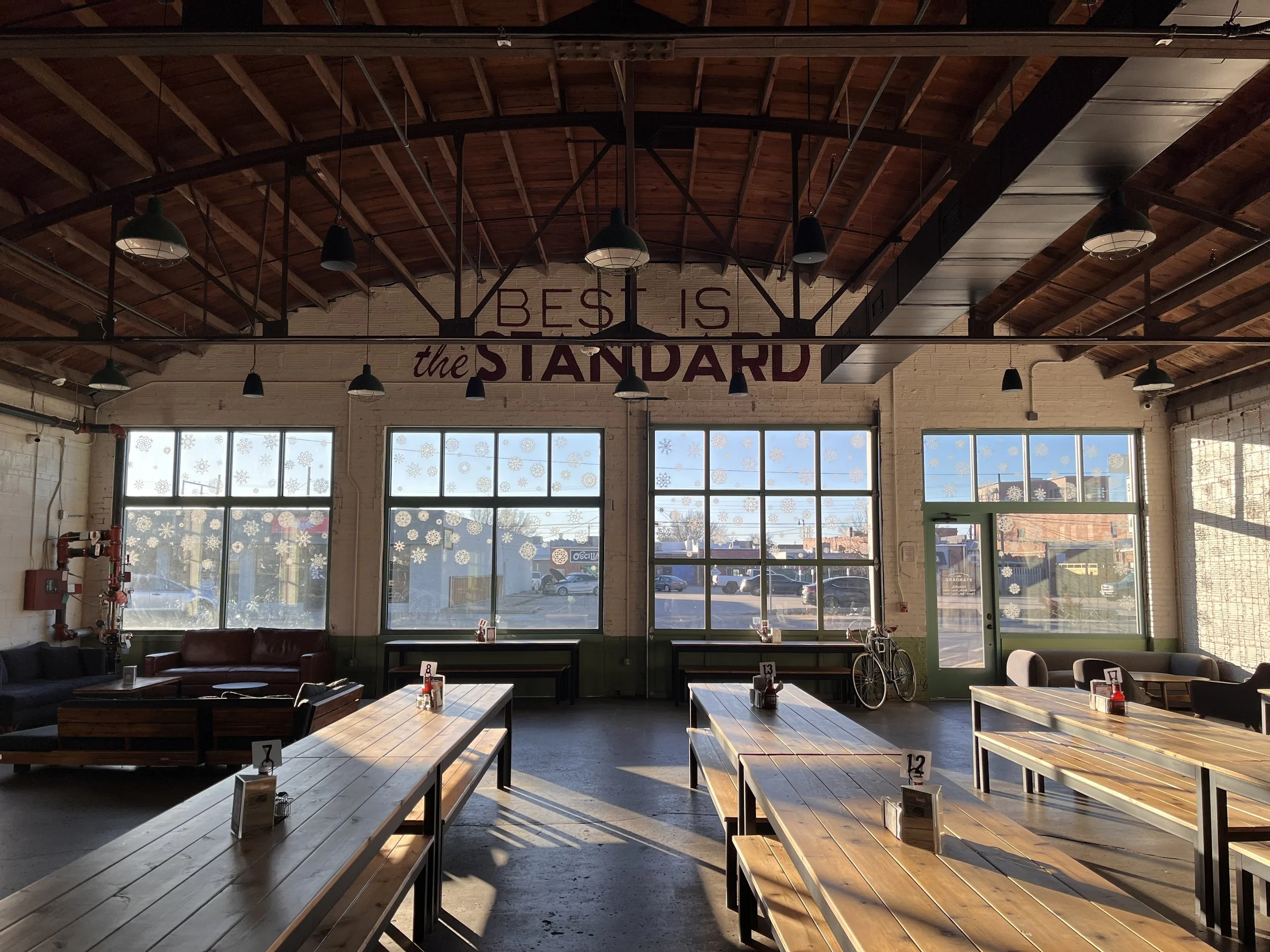
With insight and encouragement from Incremental Development Alliance, Cameron Brewer tackled the adaptive reuse of a 1930s garage, reinventing it as a restaurant and center for community in Norman, Oklahoma
Read More
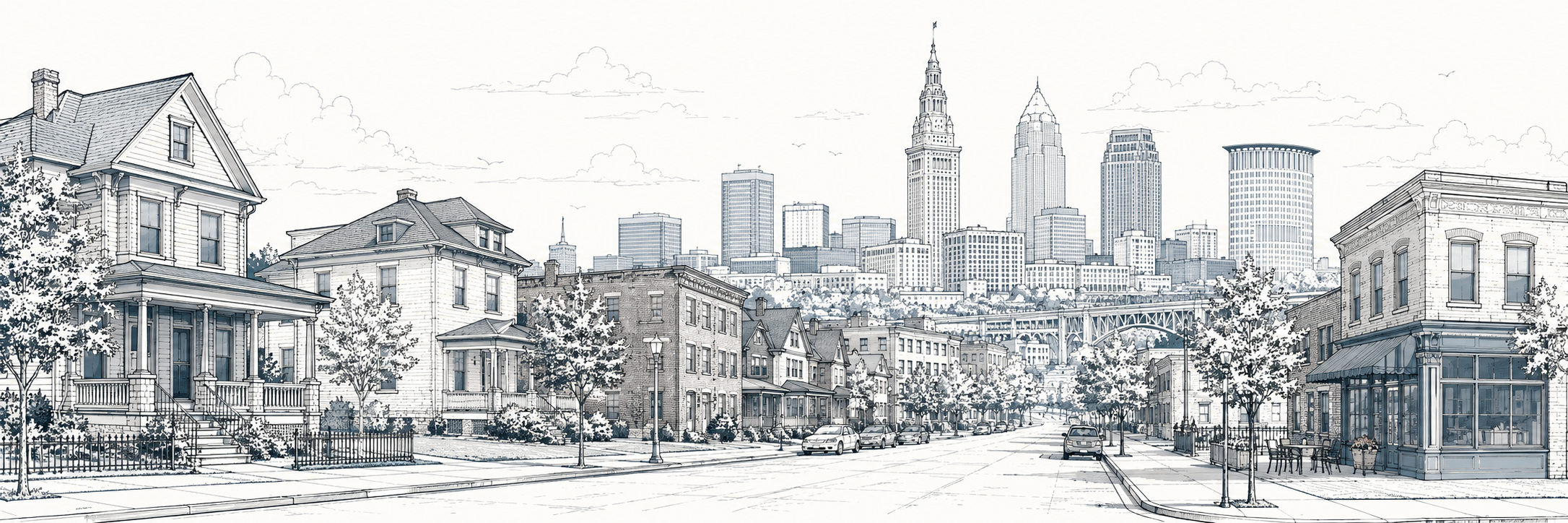
Cleveland Housing Innovation District An Exciting Path Forward
By: Chris Allen
Cleveland is showing what a new local housing playbook can look like. Now comes the hopeful work of building the people and systems that can make it real.
Across the country, local leaders are realizing something important: housing cannot be treated as a standalone problem. It is not separate from economic development, infrastructure, small business growth, neighborhood repair, public finance, or whether the next generation of families can stay in the communities they love. Housing is the connective tissue of local prosperity.
Read More
Faculty Spotlight: Joel Dixon
Joel Dixon is a faculty member at the Incremental Development Alliance and Co-Principal of Urban Oasis Development, a real estate company focused on residential and commercial development on Atlanta's south and westside. Born and raised on the westside, Dixon is dedicated to building secure, inclusive neighborhoods in the community that raised him. Perhaps his most unique and forward-thinking project is the new 918 Dill Ave development, which unites a community land trust, grocery store, gathering place, and apartments.
Read More
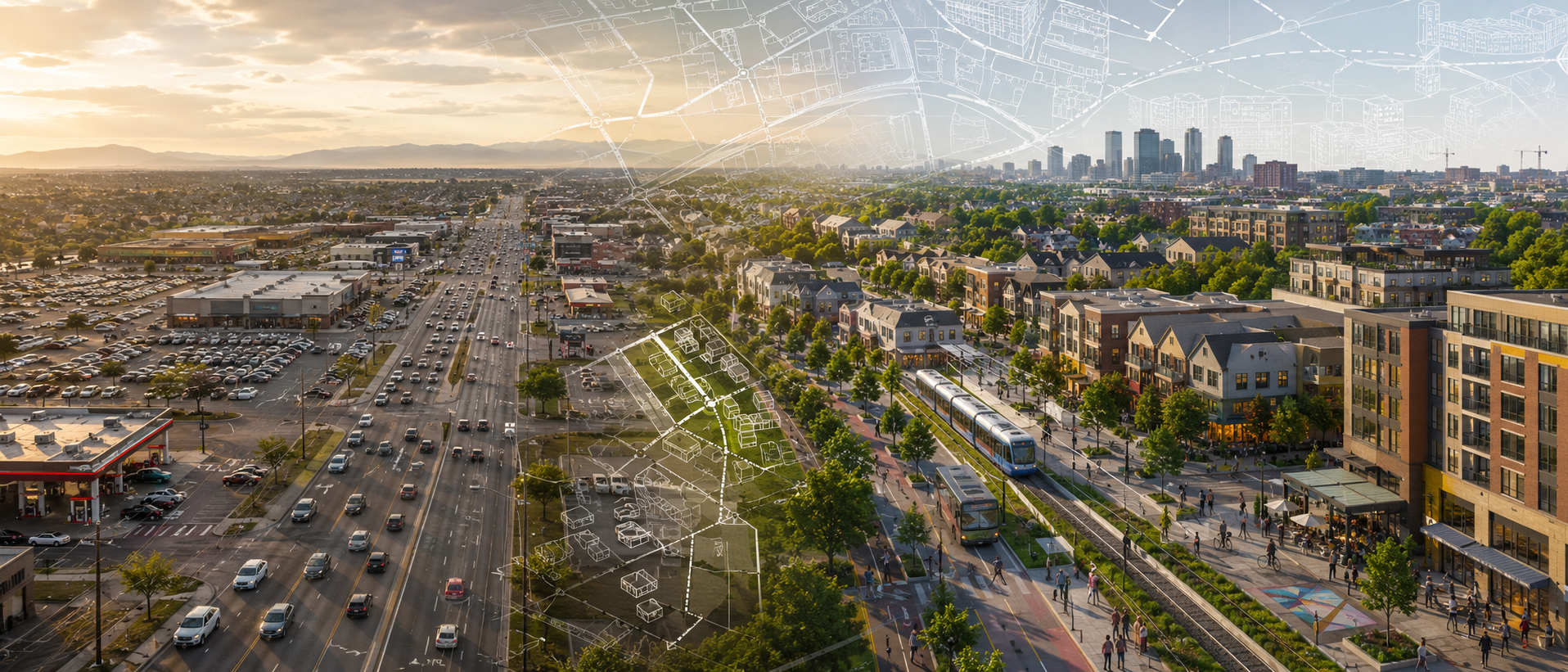
America’s Transit Problem Is Really a Land Use Problem
By: Chris Allen
The Guardian recently published a useful piece on how far American cities lag behind their global peers on public transportation.
One number from the article jumped out: bringing major American cities up to “world-class” transit standards would require roughly $4.6 trillion over 20 years.
That sounds enormous.
Until you compare it with the roughly $6.3 trillion the United States is projected to spend on highways over that same period.
Read More