Pete Cioe’s Dallas Dwellings
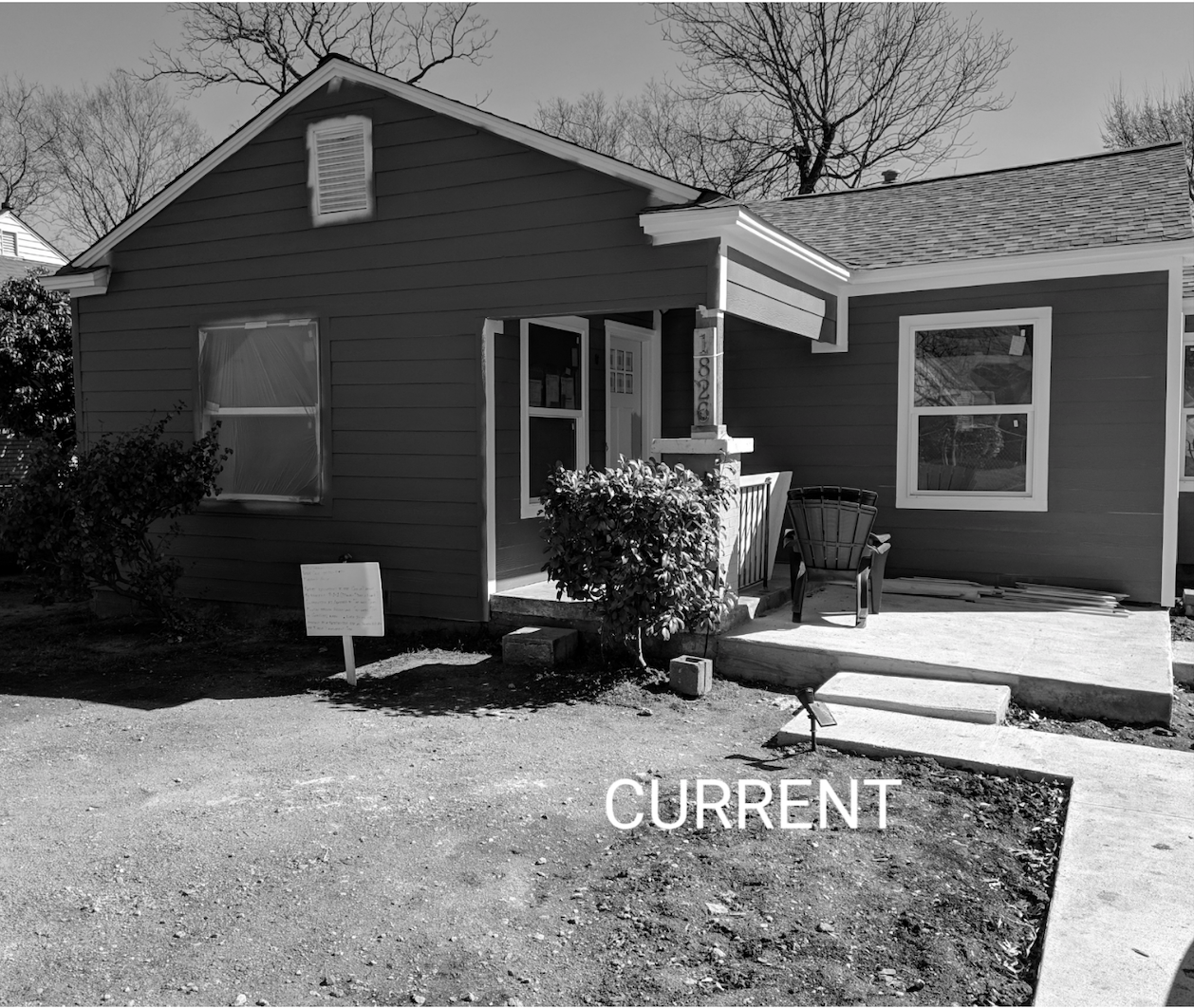
In the Vermont Village neighborhood of Dallas, TX sits a grey house with a porch. The front steps are decorated with potted plants and a ceramic owl perched in the entryway, waiting to greet visitors. The look is clean and simple with a touch of Southern charm, but the real story behind the house can’t be seen from the street.
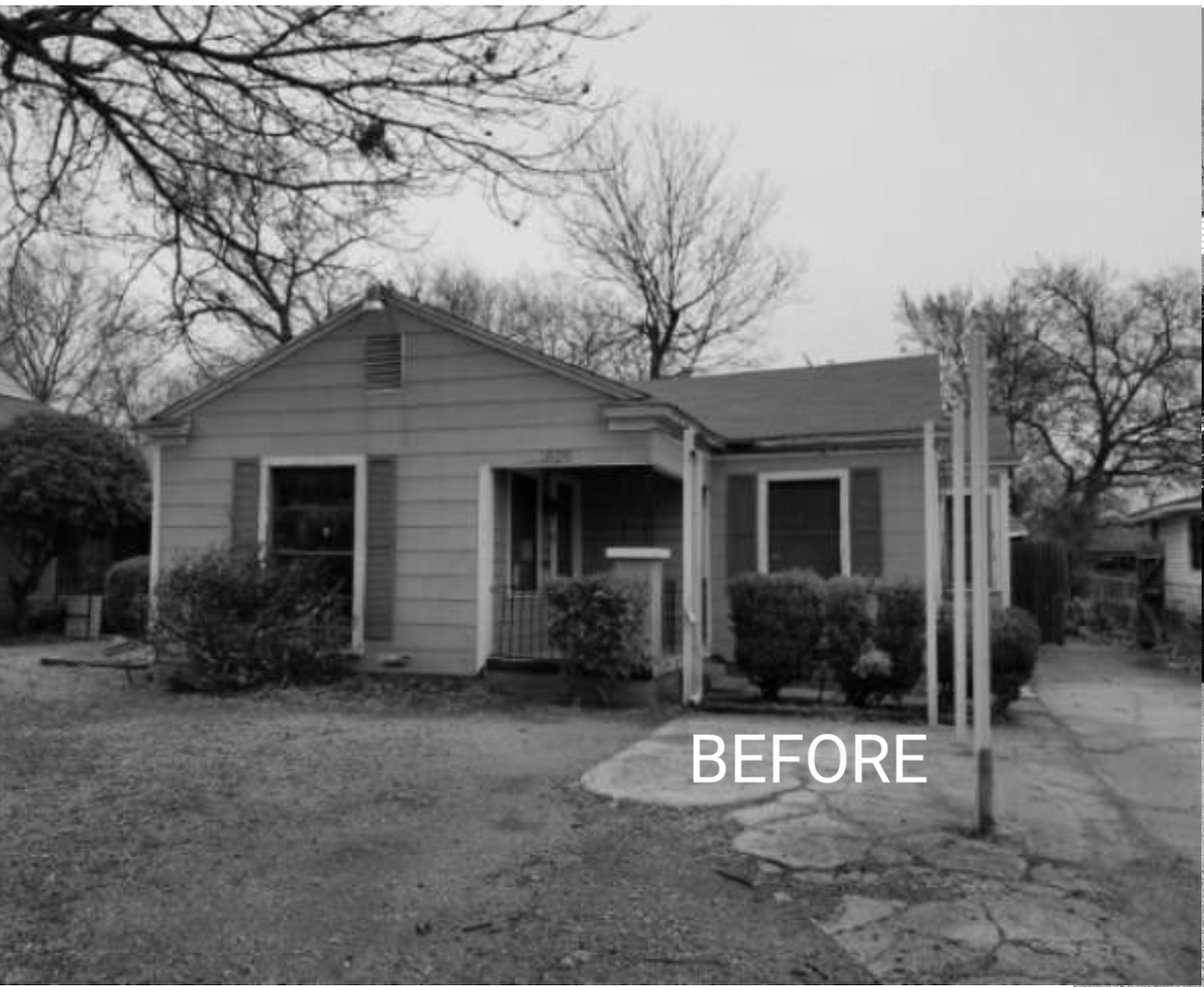
When IncDev alumnus Pete Cioe first purchased the fixer-upper, it was almost literally his only possession. Pete had sold everything he owned in North Dallas and purchased a small trailer that he parked behind the house. He lived in the trailer throughout construction, trying (and often failing) to prevent break-ins. At the time, asbestos was covering two-thirds of the house. It needed a new driveway, new windows, and new siding. But Pete saw the house’s potential. He was still a relatively new resident of Dallas, and he wanted to live in a neighborhood with a strong sense of place and feeling of home. He realized that no one else was coming to create that place for him, so he decided to bet on himself.
Pete, a born and raised Rhode Islander, always enjoyed working with his hands. As a child, he did maintenance and construction for his youth group’s yearly haunted house fundraiser. When he bought his first home, he could only afford a fixer-upper, so he renovated it little by little, learning how to tile and paint and scrape popcorn ceilings. Pete was passionate about the incremental development movement before he knew it had a name, so when he met IncDev’s co-founder, Monte Anderson, and attended a workshop in 2016, he was hooked.
“I heard Monte and Patrick Kennedy speak, and I was all like, ‘What is this? How do I join the cult? I want to drink the Kool Aid! I’m in!’” Pete laughs.
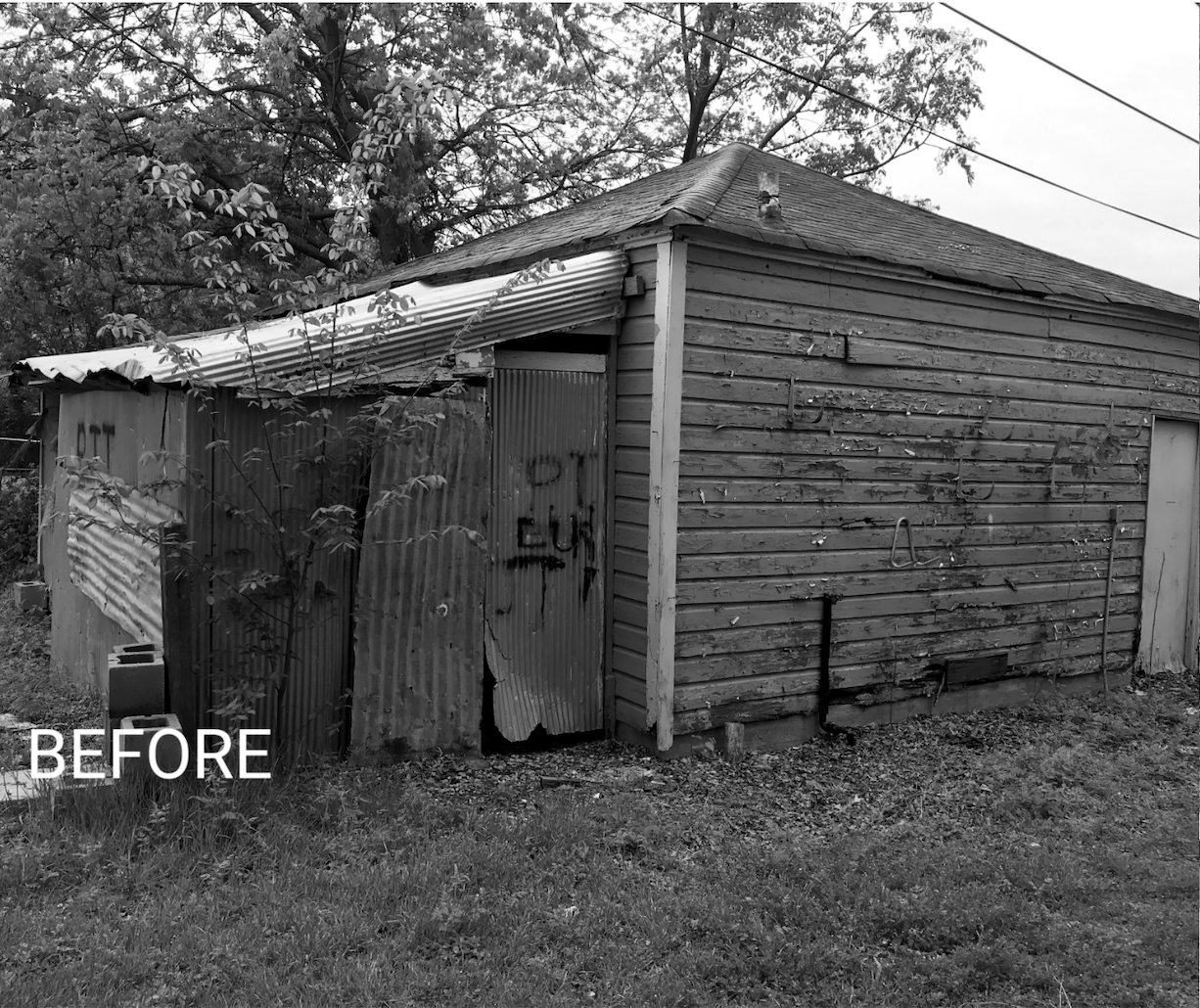
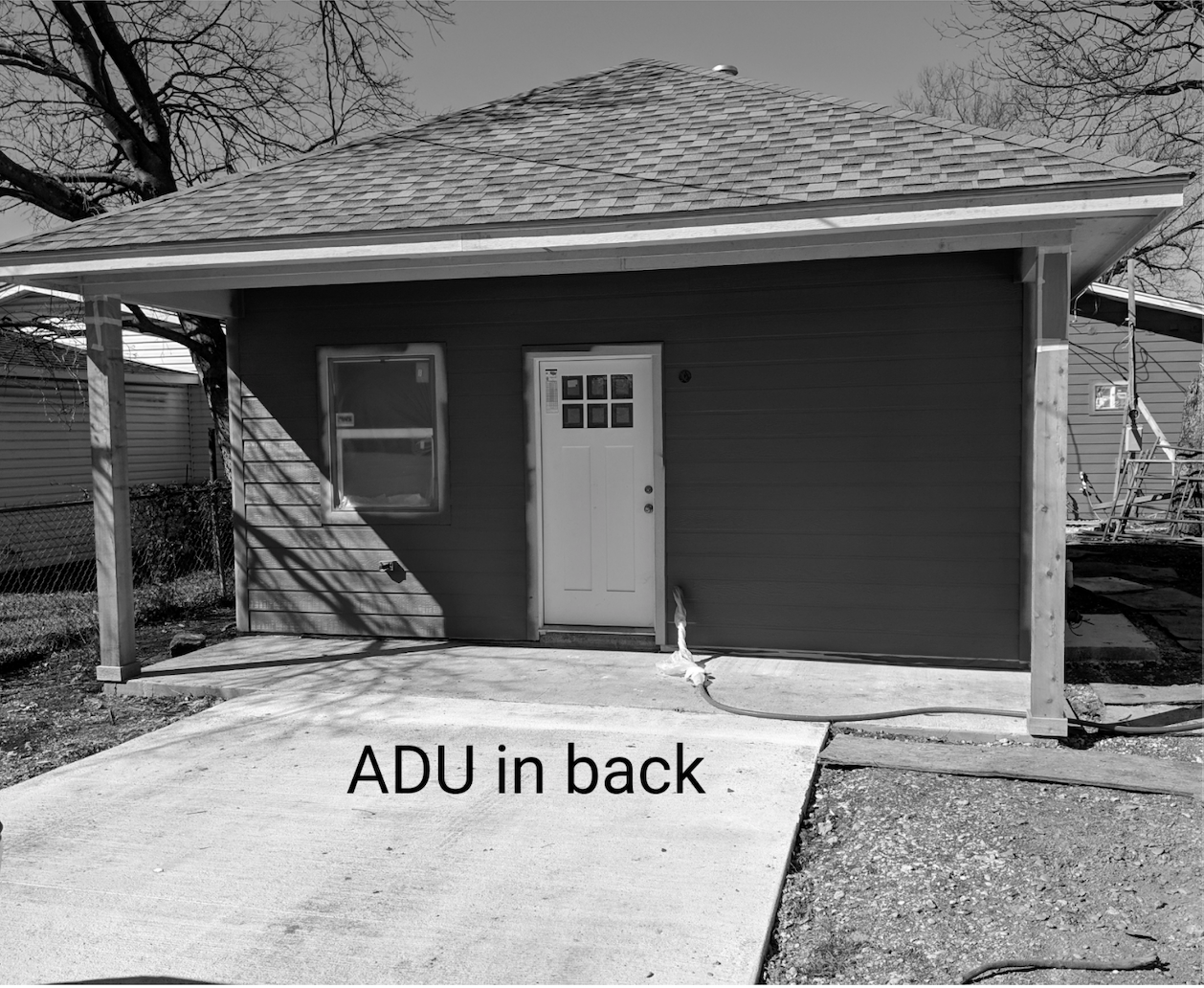
When he bought the house in Vermont Village with an eye for incremental development, Pete spotted something a regular homebuyer may have overlooked: the garage behind the house could be a leaseable living space. He worked with architects to plot a 400 square foot accessory dwelling unit (ADU), including a full kitchen and washer/dryer, in less than a third of the space as the 1483 square foot, two-bedroom main house. When he completed renovations on both spaces in the spring of 2019, Pete was inundated with tenant applications for the ADU.
“I must have had over 100 applications on it. We were asking $700 a month, and people were bidding me up to $900,” he recalls. “It was pretty crazy.”
Pete suspects the ADU was so attractive to tenants because of a lack of mixed-income housing in the area. Most places available for lease nearby were created to be occupied by families of four with two steady incomes. The ADU, conservative in both space and cost, provides a new and needed housing option for the neighborhood. Although Pete and his tenant are pleased with the ADU, he is gathering her input to learn from the space. He is always contemplating how it and any future projects could be improved.
Both the house and the ADU have been occupied since mid-May of 2019. And Pete? He’s happily living in his trailer, parked behind his current development project, a church renovation just a few blocks from the house, which he and a fellow IncDev alumnus are converting into a mixed-use building with commercial and residential space. Living in the trailer allows Pete to be fully present for his projects, in both a mental and physical sense. He is wholly devoted to his work, and Vermont Village is all the better for it.