
Alumni Story: Cameron Brewer
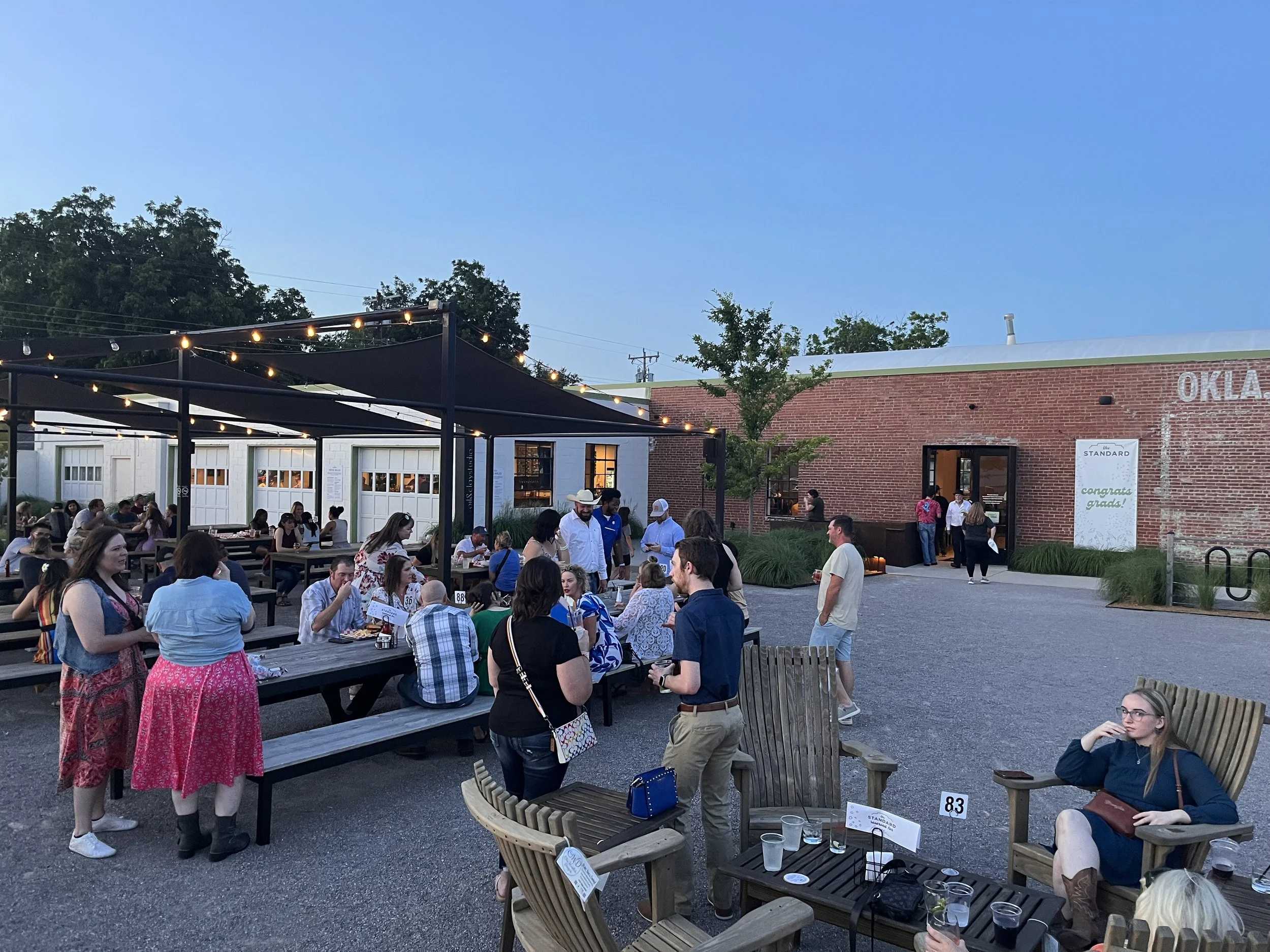
Patio space at The Standard, a historic redevelopment project led by Cameron Brewer
Cameron Brewer grew up ‘developer adjacent’ in San Antonio.
“My father was in downtown management. He was the President of the Downtown Alliance San Antonio for around 30 years, so I kind of grew up with it.” For three semesters, he studied architecture at The University of Oklahoma (OU).
Then, Cameron took an early internship, which changed his future. “I was looking around and I thought, there are three people in this office of 100 that are actually doing design and I’m not going to be in that top 3% as it relates to design talent.”
Cameron changed his major to a business entrepreneurship degree as a quick path to graduate, later getting a master’s degree in regional and city planning from OU. Today, Cameron works in the small business world. . “What attracts me is the community aspect of what I do as a dedicated SBA loan officer, focused on the state where I live.” He says, “It's been a great crossover between seeing what's going on in the small business world, which really drives so much of our economy at the community and local levels.”
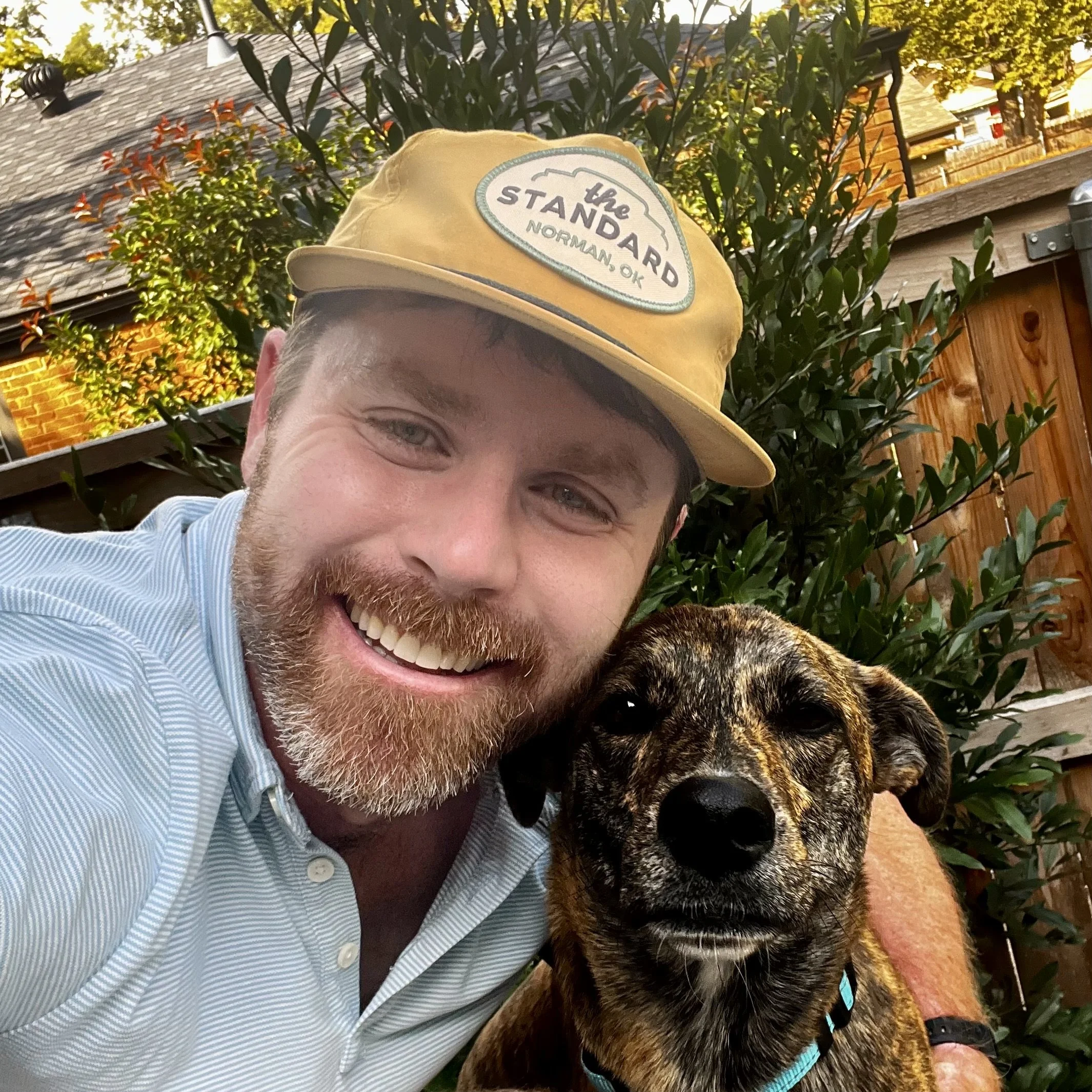
Cameron Brewer
Cameron’s introduction to the Incremental Development Alliance started with an event put on by the Urban Land Institute (ULI) Oklahoma called the Latina Urbanism Summit. It was a look at the differences in development and redevelopment in Latin communities in Oklahoma City. One panelist was Monte Anderson, a former IncDev instructor. It was his presentation that made an impression on Cameron.
Want to bring an Incremental Development Alliance training to your town? Visit this page to learn more.
When he joined the management committee for ULI, Cameron worked to bring an IncDev workshop to Oklahoma City. Over one hundred people showed up. Following the successful workshop, Jim Kumon, a former IncDev director, contacted Cameron and recommended he join the April 2018 bootcamp in Albuquerque, NM.
Cameron had acquired a couple of lots in south Oklahoma City in a predominantly Latino neighborhood. He felt comfortable there, having grown up in San Antonio, a city with an over 85% Hispanic population. Cameron took the two lots to the boot camp.
“I walked away thinking: I have no business developing in a neighborhood that is not my own,” he says. “I heard the ‘build your farm’ message many times after.” Cameron is referring to a phrase that’s often repeated in IncDev trainings: that a person should find their farm—i.e. the neighborhood or place that they care about most—and focus their energy there.
Cameron had been building a network in the city of Norman where he lives, not far from OKC. He realized he needed to invest his time and money in the place where he lives, where he is raising his family.
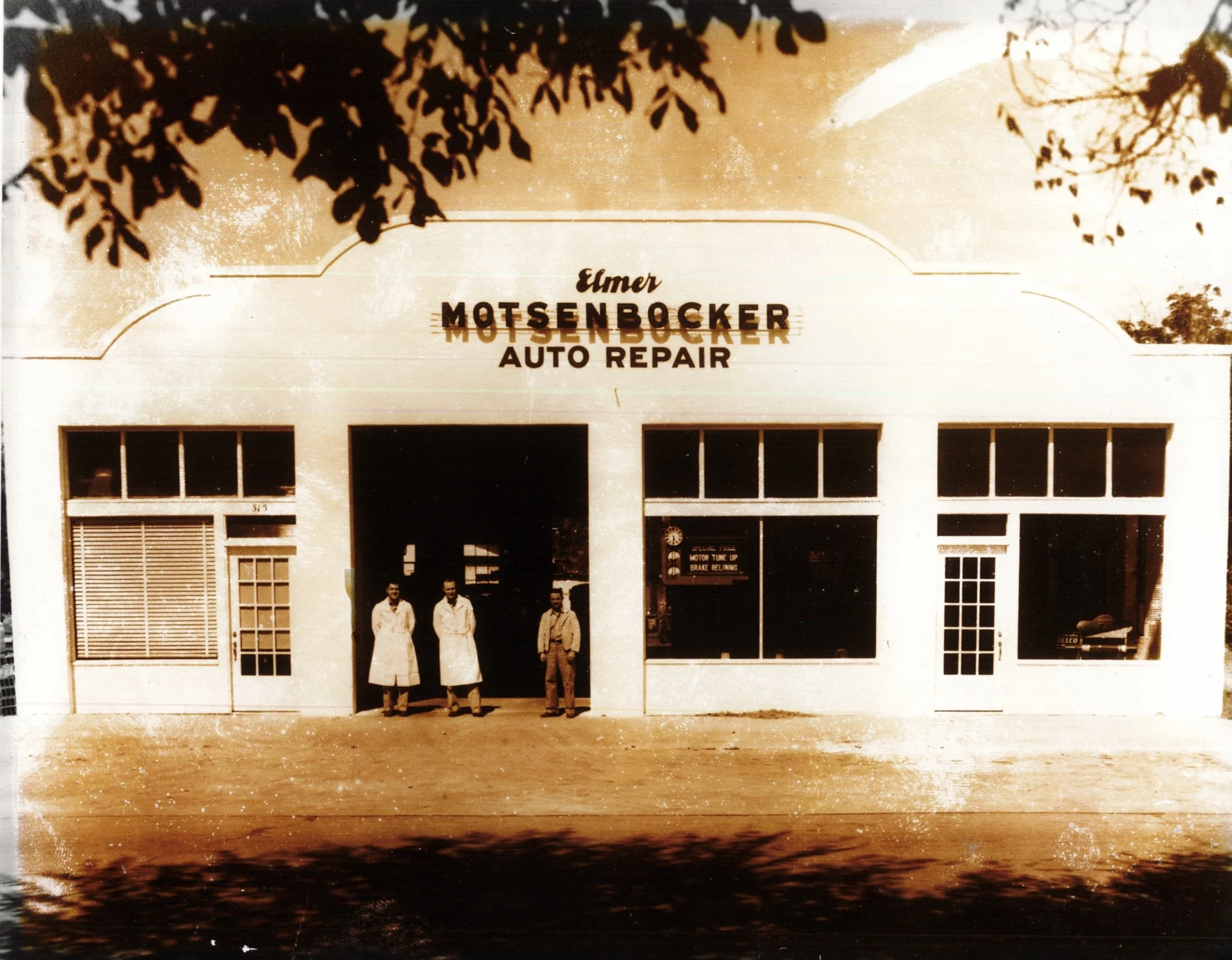
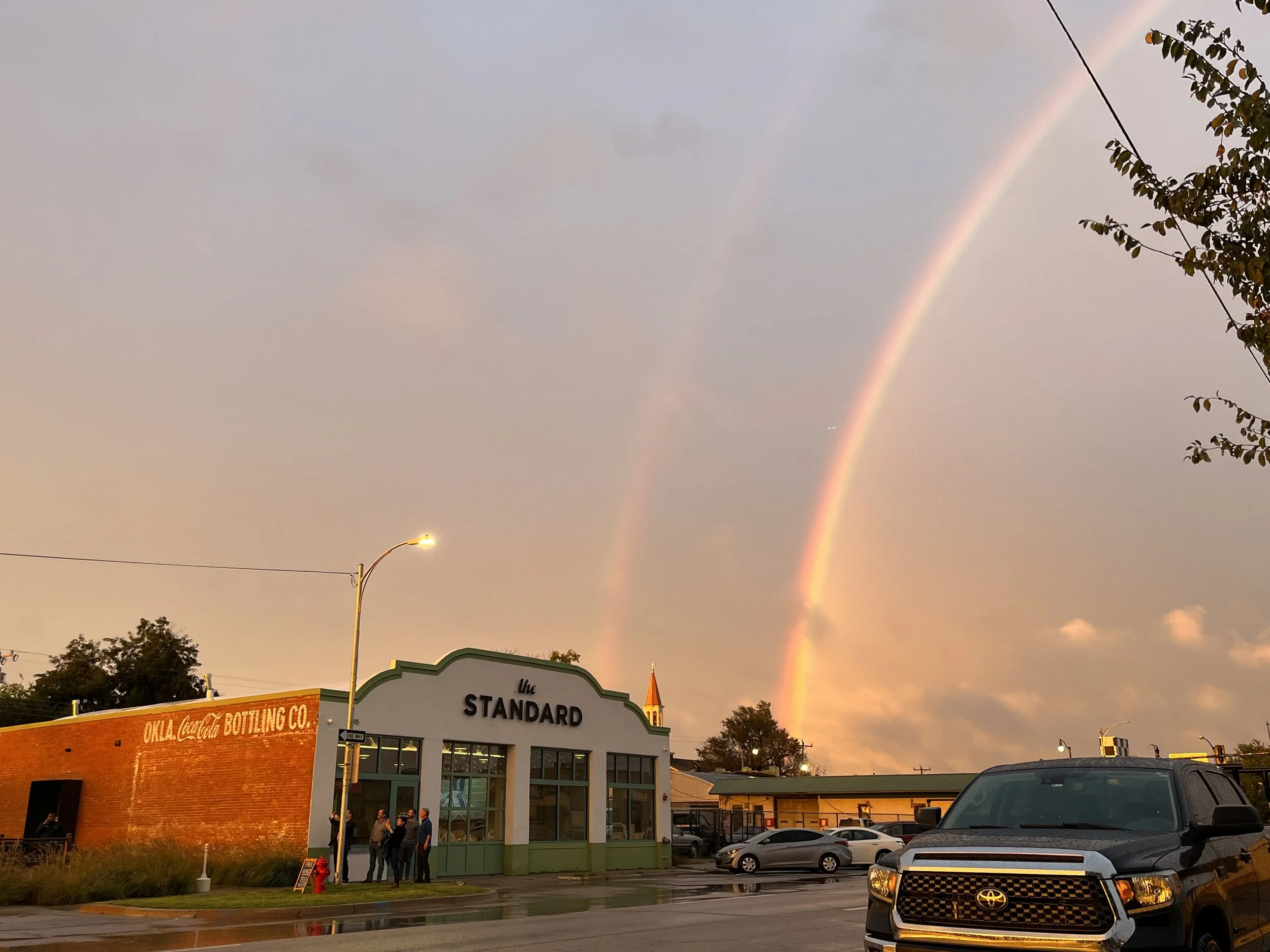
In 2019, he found the building that later became The Standard—a focal point project for Cameron. Built in 1934, the location started out as an auto repair garage. Cameron reached out to the local historical society, looked at the Sanborn maps, and reached out on Facebook. “The best thing I ever did was join the Norman History Club on Facebook and asked the group if anyone knew the history of the building,” he explains. “I got 60 responses from all kinds of people.”
Those posts helped Cameron fill in the story. A building that started out as an auto shop in 1938, became a Coca-Cola distribution warehouse in the late 1950s through late 1970s. From 1978 to 2020, it was the home of the Norman Body Works. Remnants of its history remain.
Cameron restored part of the Coca-Cola mural that was on an exterior wall. “They were kind of the last remaining old-school body shop. [They would] do everything by hand and have specialized equipment,” says Cameron. The name, The Standard, has a double meaning—a reference to old cars and a nod to the old ways of doing things. It is also about the standards of community and how we should be treating each other.
Today, thanks to Cameron’s hard work, the space has been transformed into a community restaurant for Norman, OK.
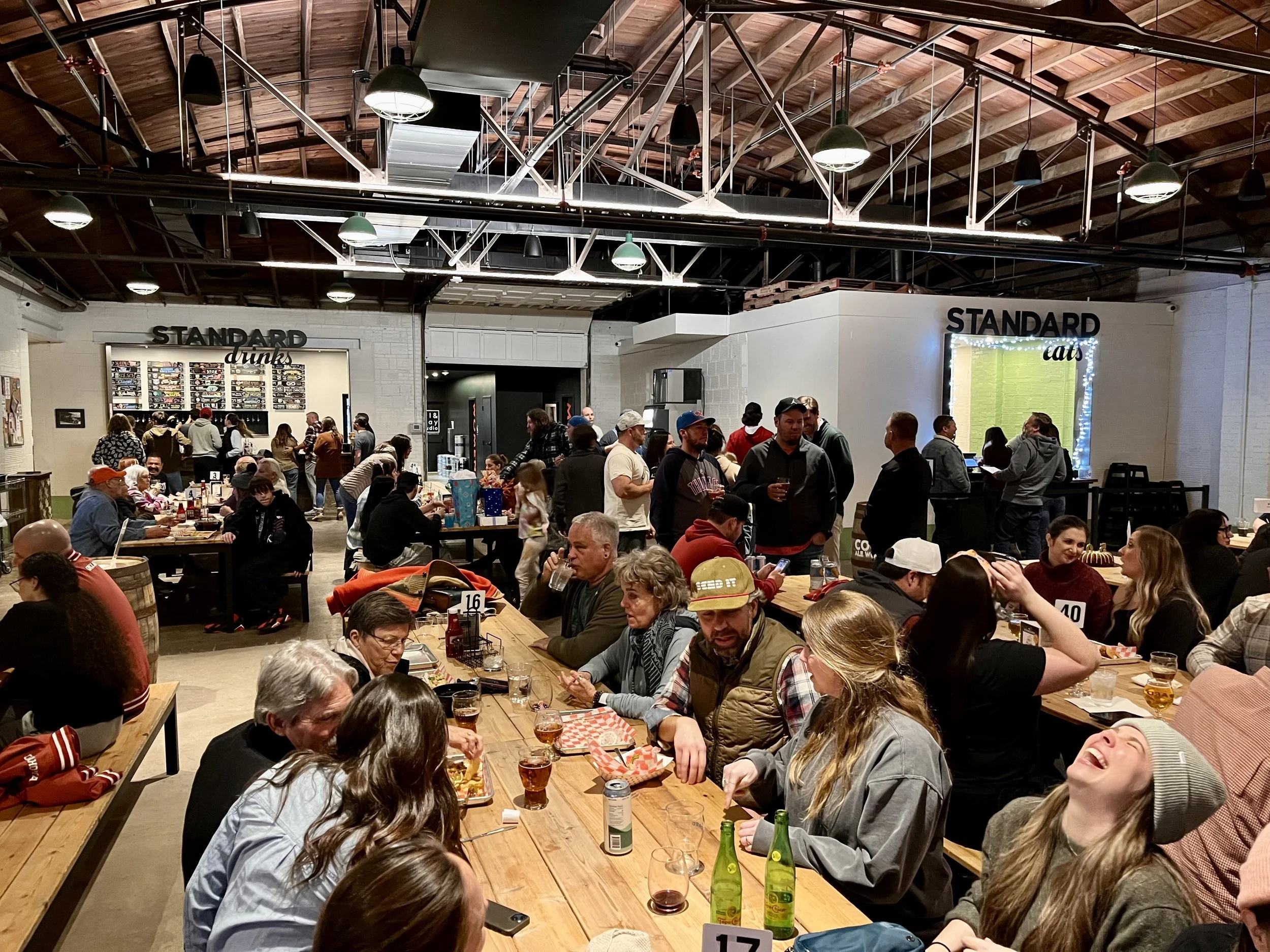
“I want The Standard to be open for the rest of my life. It’s my fun hobby. It’s become kind of a community hub for many, many people,” Cameron explains. “The driving motto for the restaurant is ‘from 8 to 80.’ That’s what The Standard is. It is for 8-year-olds and 80-year-olds, so in reality all ages are able to enjoy the place. So [I] took a lot of my city planning concepts and put it into that.”
Cameron is looking for more opportunities to do more conventional projects in the future, but stay within a historic building adaptive re-use approach. “I would not necessarily go and do this project again, but that experience gave me the confidence and wherewithal to start and finish another project that was a 1950s building [of] about 7200 square feet,” says Cameron. “We identified that second building and took it from four commercial units to five. It’s essentially a historic strip center, but it’s in the middle of downtown Norman and it’s a very interesting location.”
What other incremental development is there a need for in Norman? The city of Norman has a significant deficit in the variety of housing options, but Cameron’s attention is in the commercial arena. “I am hoping some of my projects will help inspire others more focused in residential development. Residential construction is something that I very much appreciate, whether it is single-family or multi-family,” Cameron explains. “That [need for housing] is very much the focal point of discussion in Norman right now. How do we get dense housing units in and around downtown? We have a great commercial district and simply need the rooftops for additional support and vitality. I am currently shifting my gears to help support those potential developers who are interested in building housing and working with the city.”
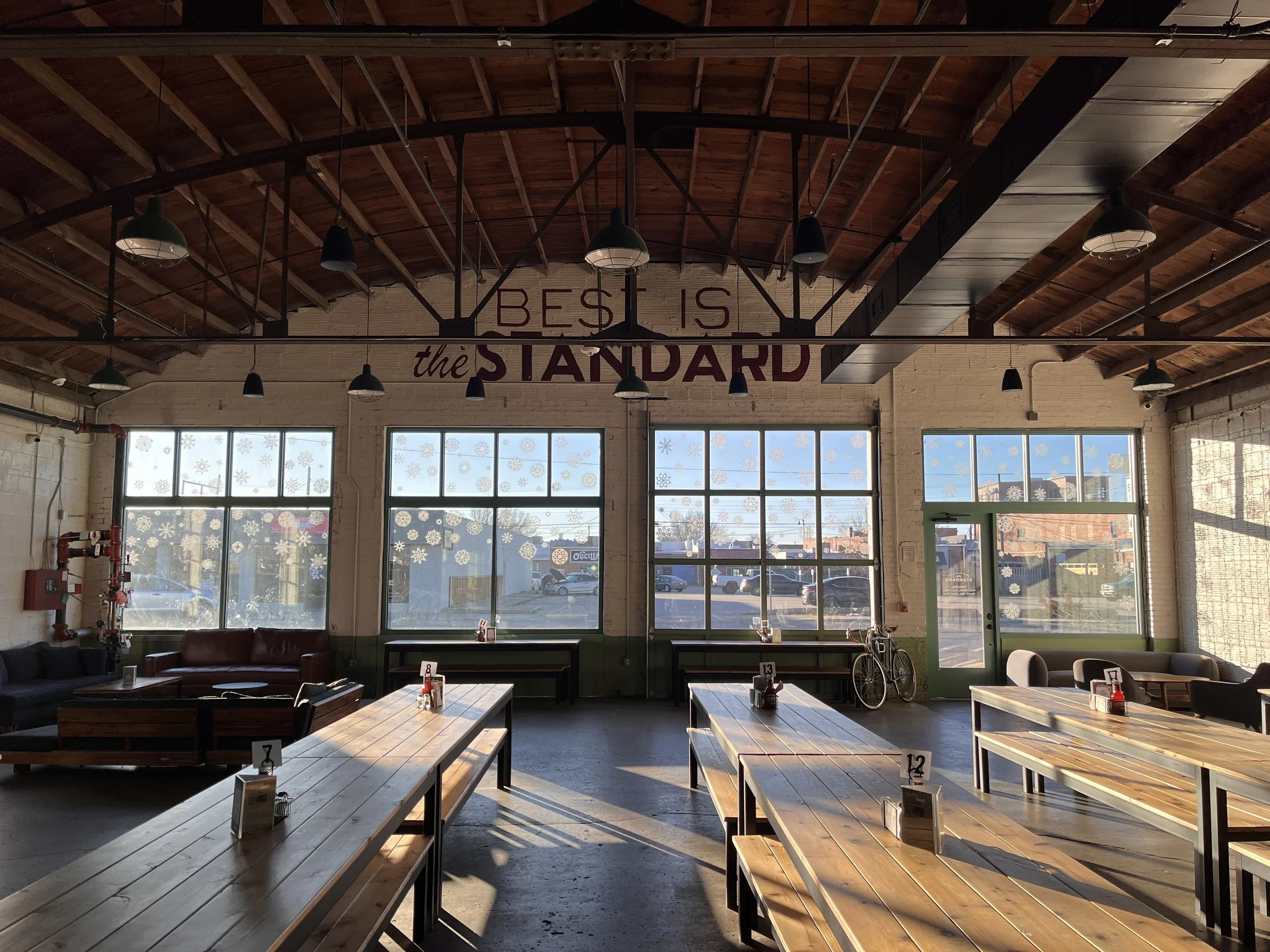
Inside The Standard
As Cameron has moved on to other projects, one of the things he focuses on is having the right tenants, and he wants to help other developers think about this issue too.
“A developer's success is linked to tenants’ success,” he says. Cameron views his tenants as people he works with, not just as their landlord. He does not take the relationship for granted. But some developers can struggle to properly vet a tenant after constructing the building. It’s a skillset he hopes to see other developers like him grow in.
Cameron’s second project was the restoration of an older strip mall. “I wanted a specific tenant mix. I wanted the tenants to benefit from the [mix] of businesses. So, now we've got a houseplant shop (they have a little baby goat, which is the cutest thing), a salon, an architect’s office, and a public makers’ space with the local library system. I was picky about who to include.”
Part of the vetting process is checking the financial viability of the proposed business. A developer needs to know if the tenant will have a backstop if they hit a financial rough patch. Are the tenants going to be prepared to weather a financial downturn? Could they pivot to something else?
Cameron understands that there needs to be a list of financial due diligence items to go through with a prospect rather than just signing up the first tenant that walks in the door. “It’s asking for the financials of the business, while not always being as concerned with the personal financial statement,” says Cameron. “To some tenants, that might feel you are getting in their business. But you are going to be in business together too, right?”
Asked about the most valuable thing he learned from his Incremental Development Alliance training, Cameron respond: “I was obsessed with the idea that I needed to understand construction before I started a project. The only way to do that was to get experience, but I have a full-time job, and I have kids, and this, and that…” He learned to let go of the urge by filling in the gaps with people.
A crucial skill he learned from his IncDev bootcamp is: “Identify the gaps in your knowledge and then go find someone with that knowledge to be a part of your team. Bring them in as a partner or on a fee basis. The biggest roadblock for many people is this idea that you have to know everything. Ask the stupid questions to see where the trip-ups may come into play. Then you can ask the slightly less stupid questions the next round.”
Want to build your development skills and take on meaningful community projects like Cameron? Find an upcoming IncDev training near you (or online)! Visit our events calendar.
About the writer:
Eleanor Anderson is a writer living in Atlanta, GA. She has over 20 years of writing experience including: newspaper journalism, technical, business, grant, and academic writing. She lives with her husband, 3 cats, and one dog.