
Faculty Spotlight: Ivy Vann

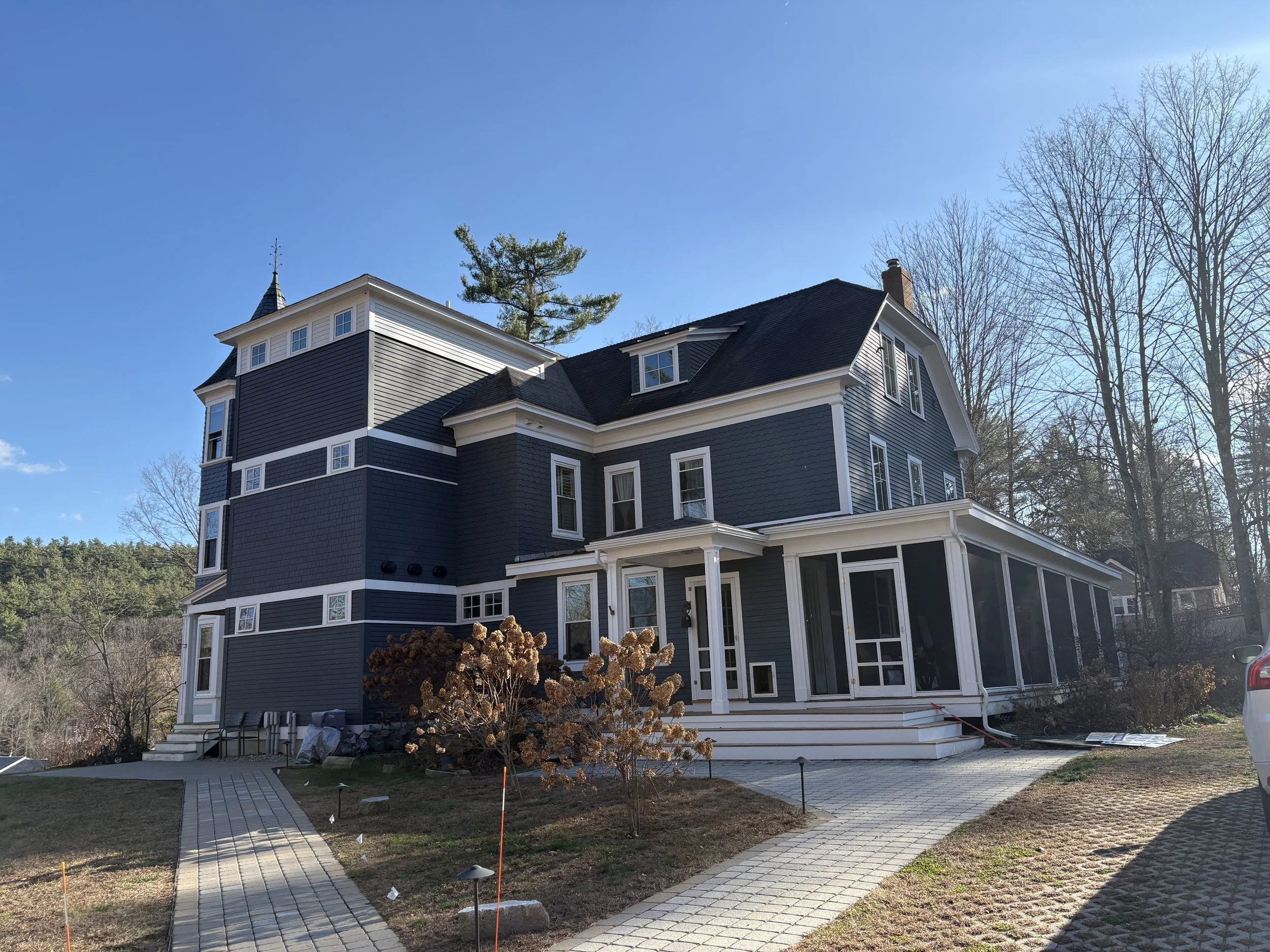
When Incremental Development Alliance faculty member Ivy Vann and her husband bought their 1895 Victorian in Peterborough, NH, they weren't setting out to become developers. They were looking for a home for their family. The 6,000-square-foot former mansion had already lived many lives—as a nursing home, boarding house, youth hostel, and bed-and-breakfast—and Ivy saw another chapter waiting to be written.
The couple's first projects were simple: removing poorly installed bathrooms left over from its bed-and-breakfast days, restoring original spaces, and making the house work for their family. Ivy found a knack for noticing the history of the home. She tells a story about asking the carpenters working on the renovation to open a particular wall between two rooms: "I was pretty sure that they had been linked parlors when the building was built. So when the, when the carpenters were there taking out bathrooms and doing the work, I took a piece of chalk and I drew on the wall and I said, I want you to open up this wall where I've just drawn. And they're like, Oh, okay, fine. And then a couple of hours later, they called me up and they said, Hey, that is framed for an opening. And it has the slots where there used to be doors. I was like, yeah, I was pretty sure it was."
Over the years, they also made use of an apartment on the third floor, housing friends, renters, and eventually Ivy's mother-in-law. After their children had grown and moved out, Ivy looked at the oversized house differently: "We decided to turn it into a three family because it's about 6,000 square feet. I mean, it's enormous. It's a really huge house."
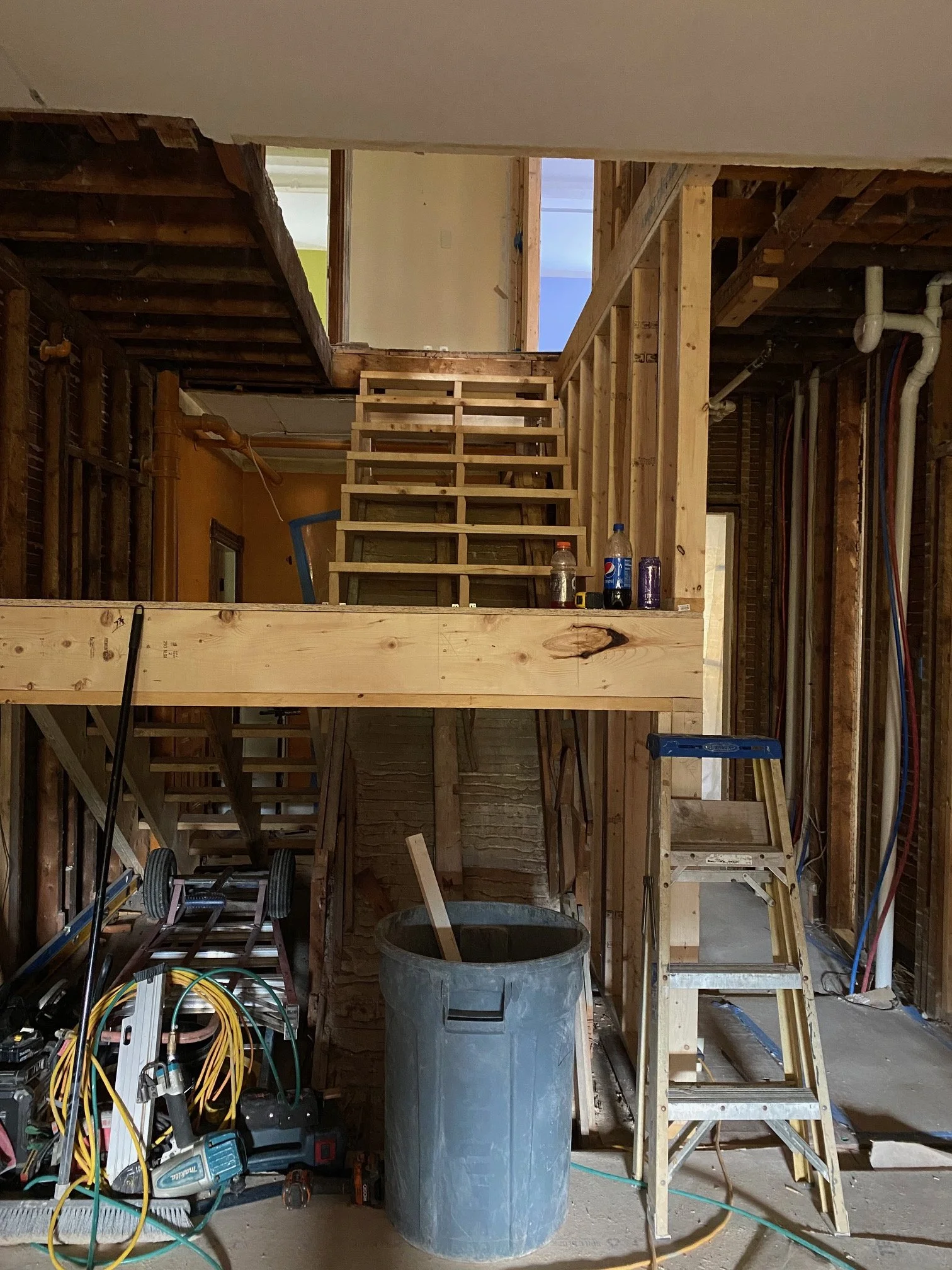
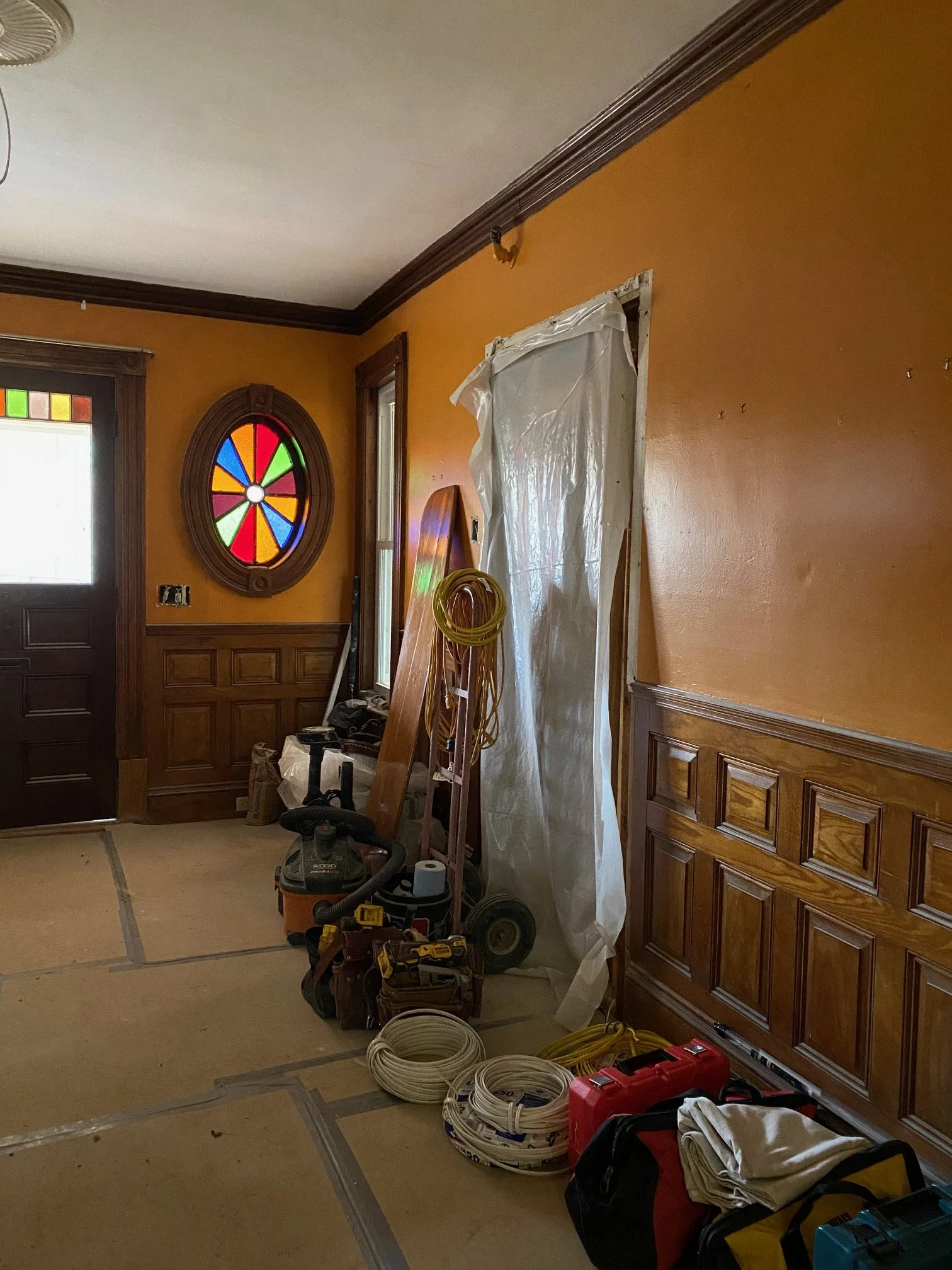
Rather than downsizing, they adapted what they already owned. During the pandemic, they added an exterior stair tower and reconfigured the building into three apartments, all the while preserving the unique historic character of the space.
The second-floor apartment rented before construction was even finished and has been occupied by the same tenants ever since.
The project wasn't driven by professional development experience—it was driven by practical math. "We effectively bet the farm that it would be worth it," says Ivy. She relied on this simple rule of thumb that developers know well (and which she learned in an IncDev training): "Sort of the back of the envelope developer math is for every dollar you can reasonably expect to get in rent, you can spend $100 creating units." Their renovation cost just over $300,000. The two new apartments together now generate about $3,100 per month in rent, making the numbers work over the long term.
The family was able to fund the renovation with an inheritance. They mostly stayed with family members while construction was underway, returning home five months later.
The story didn't end there. A few years later, the former carriage house behind their property came up for sale. The owner had been trying to sell it to Ivy for years before she finally purchased it. The building already contained two apartments, giving Ivy responsibility for a total of five homes across the two properties.
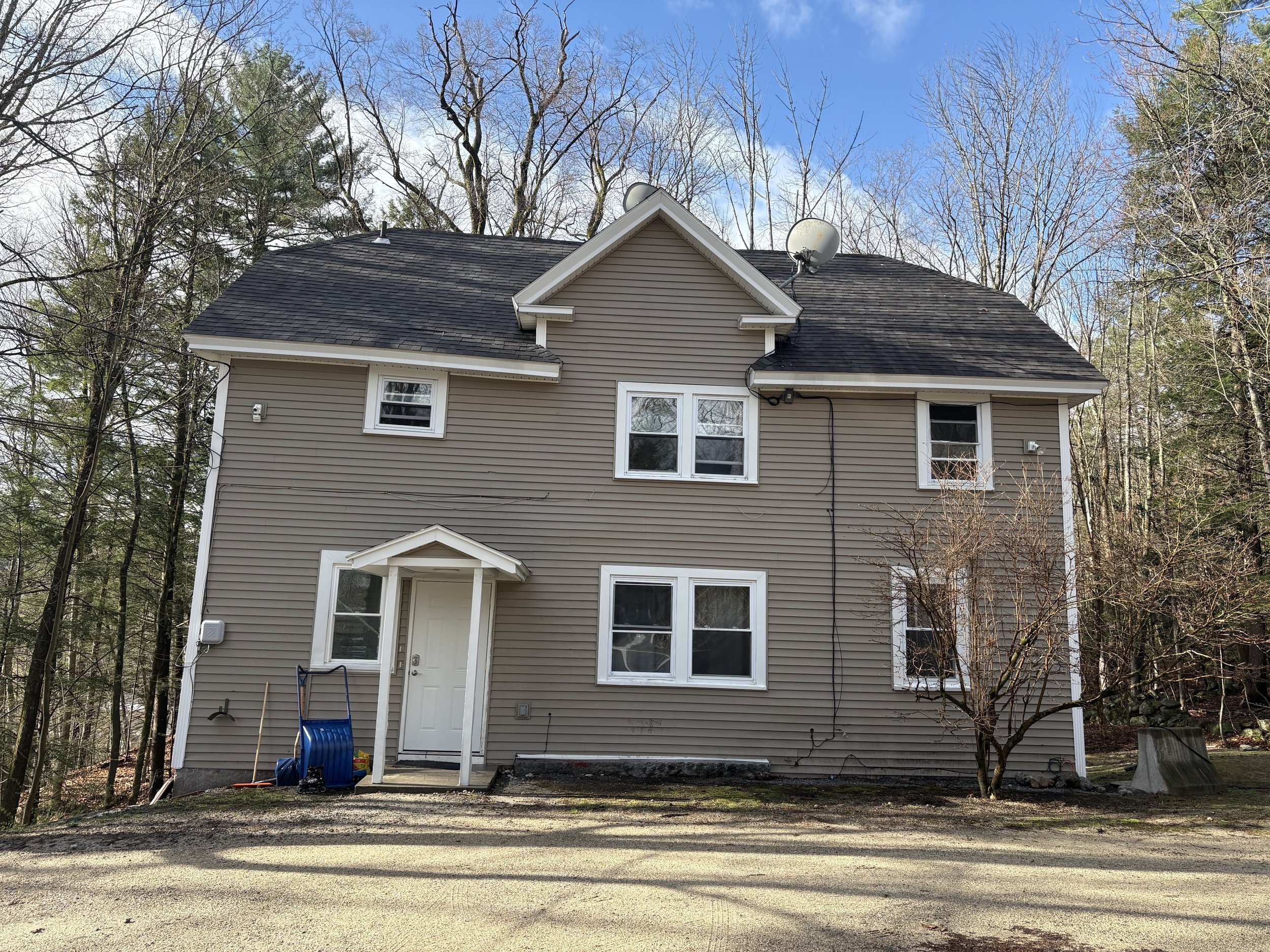
Today, many of those homes are rented through personal connections in a community facing a severe housing shortage. "Nothing goes on the open market," says Ivy. "It all passes hand to hand because there's just nothing." All the more reason her own creation of new housing units made a positive impact in her town.
One of her favorite stories involves renting an apartment to two recent high school graduates. "I rented it to them because I thought, you know what? No one else is going to rent to them," she says. "This market is so tight."
They turned out to be excellent tenants (something that's especially important when you're living in close proximity) and have since moved into one of the larger apartments in the main house, opening another home for someone else in the community.
Looking back, Ivy doesn't describe herself as a developer who executed a master plan. Instead, she made a series of practical decisions over many years—restoring an old building, adapting it as her family's needs changed, and creating housing that her community desperately needed. Along the way, Ivy ended up working for the Incremental Development Alliance, first as a staff member helping with event coordination, but later as teaching faculty—the place where her real passion lies.
She contemplates other development projects often (she actually has land purchased and a full plan drawn up for several townhomes in Peterborough, which you can read about on her website) and even dreams of partnering with her daughters on a project or two, since they work in the built environment arena. But her focus is always on keeping things small and manageable.
Her story is a reminder that incremental development doesn't always begin with buying investment property or raising outside capital. Sometimes it starts with looking at the home you already own and asking what it could become.