
Faculty Spotlight: Bruzenskey Bois
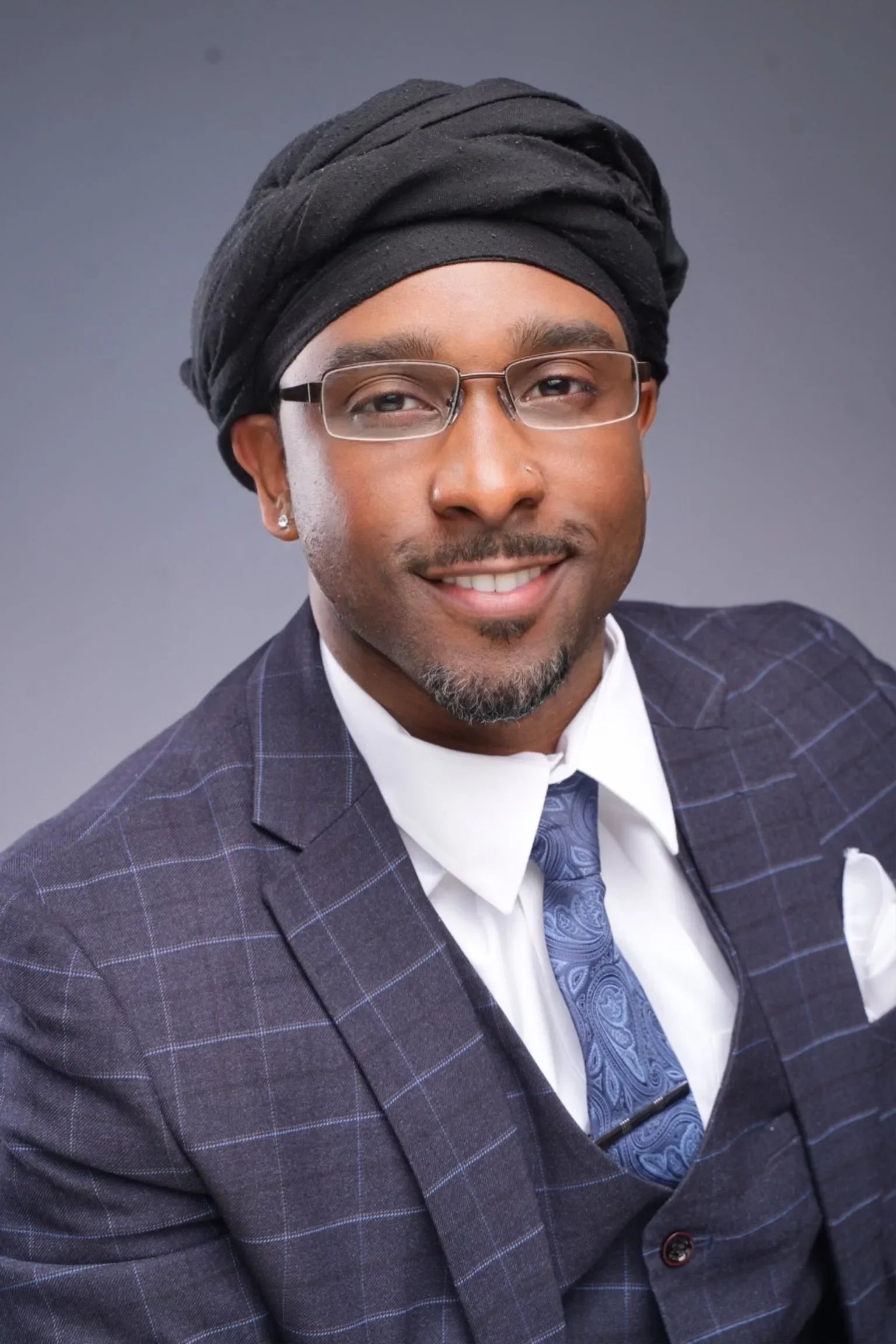
Bruzenskey Bois has a big goal for his career in real estate development: someday, he wants to build an entire small town one day. But before he gets there, he’s scaling up his development efforts step by step: from helping historically Black towns improve their infrastructure to launching a new initiative in his hometown of St. Petersburg, Florida, that combines affordable housing, workforce development, education, and mental health support.
A Florida native, Bruzenskey originally studied architecture at the University of South Florida. He was particularly interested in parks and public gathering spaces, inspired by the role parks had played in his childhood. He wanted to design places where kids could play, gather, and develop.
In 2011, Bruzenskey began working as a leasing consultant at an apartment community. He quickly fell in love with real estate and worked his way up through corporate property management, learning budgets and the operational side of multifamily housing.
He purchased his first investment property in 2014 and began flipping houses in 2017. Today, as founder of Bois Enterprises, he brings that experience in real estate investment and management to his development work.
It was around 2019 that his perspective on real estate began to change. While working with a developer in Tampa, Bruzenskey was introduced to the Congress for the New Urbanism (CNU). Around the same period, he read The Color of Law, Richard Rothstein's book examining the history of government-sponsored residential segregation. Those experiences, combined with national conversations about racial and social inequality in 2020, prompted him to think about real estate differently.
“I can redevelop a home, but I can make more of an impact on the neighborhood and social impact by doing development,” he recalled realizing.
Instead of focusing exclusively on flipping individual investment properties, he began thinking about how development could shape entire neighborhoods and address larger social challenges.
As Bruzenskey became involved with CNU, he discovered a network of organizations and practitioners working on community-focused development, including the Incremental Development Alliance. He attended several IncDev trainings and began learning from experienced developers who were willing to share their knowledge. One of the most influential was IncDev faculty member R. John Anderson. Anderson spent hours talking through projects with him, reviewing site plans and pro formas, and inviting him to opportunities where he could continue learning.
Along the way, Bruzenskey was also invited to join the IncDev team as a faculty member.
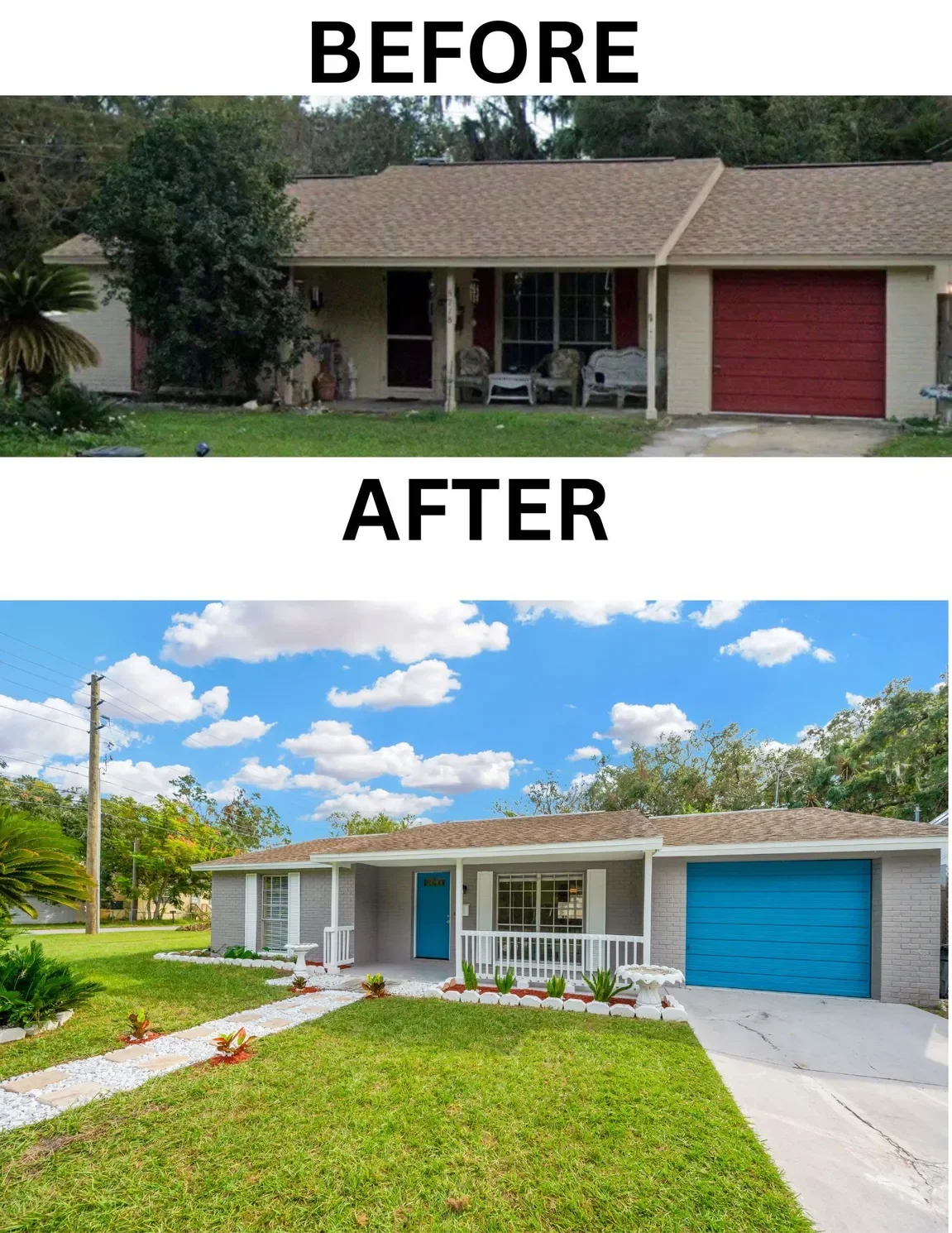
One of Bruzenskey’s earlier projects
As Bruzenskey became more involved in New Urbanism, he noticed something missing. There were different caucuses and affinity groups within CNU, but he didn't see a dedicated group for Black practitioners. He helped establish the Congressional Black Caucus for New Urbanism (CBCNU) because, as he explained, “I wanted Black and brown folks to have our own vehicle to be involved in placemaking. I didn't see enough of us in the room.”
The organization created opportunities for relationship-building, advocacy, and work in historically Black communities. Through that involvement, Bruzenskey began receiving invitations to speak, consult, and participate in planning projects. Through CBCNU, Bruzenskey and his colleagues were also invited to the White House in 2023 and developed relationships with federal agencies, including FEMA. Although the organization's activities have slowed because of limited volunteer capacity, he hopes to help relaunch it.
He has also been involved in community development efforts in historically Black towns, including Tullahassee, Oklahoma. There, Bruzenskey said his network helped the community secure a roughly $1 million grant for water infrastructure, raise funds and awareness to revitalize a gym, and establish its first sales tax, creating an additional source of municipal revenue. “A lot of it is not the sexiest type of work,” he said. “It's the stuff behind the scenes, but I really enjoy it.”
For Bruzenskey, those experiences reinforced that improving communities requires more than developing individual properties. It also means working on infrastructure, policy, and the systems that allow development to happen.
One of Bruzenskey's own development projects is taking shape on approximately 5.5 acres in Albany, Georgia. The property was zoned R-1, which would have limited him to approximately 12 homes. Through conversations with experienced practitioners, including IncDev faculty like Ivy Vann—who has experence working in rural areas like this and flew down to meet with Bruzenskey and talk it through—he began exploring alternative approaches. Ultimately, he decided to pursue a planned development that could potentially allow up to 30 homes. The project is currently in a preliminary phase.
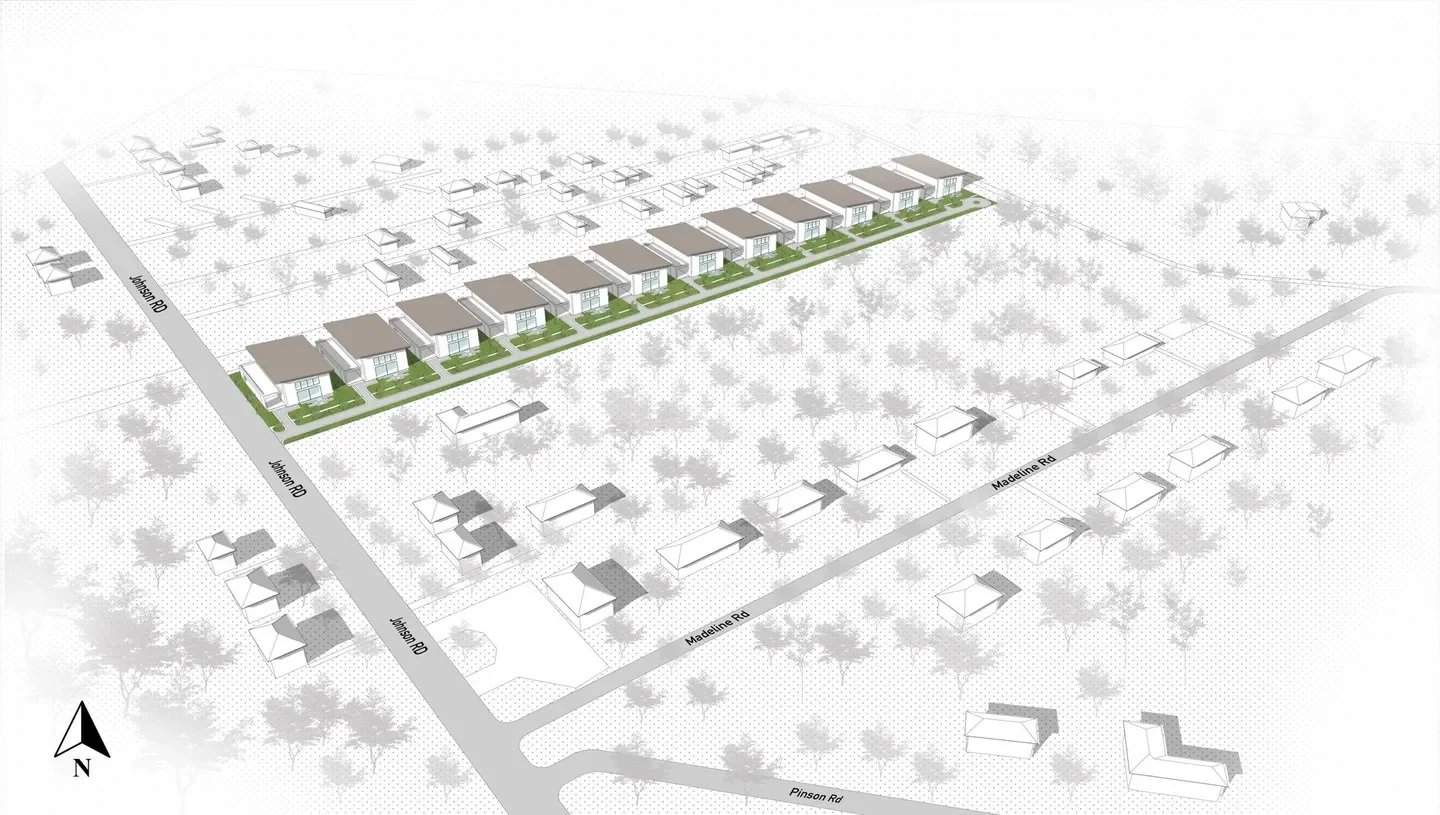
Rendering of the Albany project
While the Albany project continues to develop, Bruzenskey is particularly excited about a new initiative much closer to home. The Social Economic Redevelopment Initiative (SERI) is a program he founded to combine affordable housing with the resources people need to achieve long-term financial stability and homeownership.
Rather than simply renovating and renting or selling houses, SERI is designed around four interconnected areas: housing, workforce development, education, and mental health support. Bruzenskey describes the program as a way to help people who may not qualify for traditional housing assistance but still struggle to afford homeownership, including working families, single parents, and middle-income households.
Under the proposed model, SERI would acquire and rehabilitate properties, then offer participants a lease-to-own opportunity. Bruzenskey plans to set aside 5% of participants' rent payments toward future down payment assistance. During their lease period, participants would also take part in educational programs designed to prepare them for the financial and practical responsibilities of homeownership.
That includes learning about financial literacy, property management, small-scale development, and potentially how to manage an additional rental unit or ADU. SERI also incorporates mental health support, recognizing that housing stability and financial well-being are connected to other challenges people may be facing. He has partnered with the AMRoC Fab Lab in the Tampa area, which offers educational and technical resources, including workshops and fabrication equipment.
The idea is that someone who completes the program could emerge with more than a house. They could also have stronger financial skills, a better understanding of real estate, and the confidence to manage property or pursue additional opportunities.
The initiative is still in its early stages, and Bruzenskey is clear that it needs additional support. “We're raising money for it,” he said. “We're looking for partnerships, folks to help us get this vehicle actually going.”
He is concentrating on South St. Petersburg and selected neighborhoods in Tampa, where he believes it is still possible to acquire homes at prices that make an affordable lease-to-own model feasible.
Bruzenskey's journey has also shown him the value of relationships and mentorship. He credits the people who welcomed him into development conversations, answered his questions, reviewed his plans, and gave him opportunities to learn. Now, through developer convenings and SERI's educational programming, he is working to create similar opportunities for others.
He is still pursuing the ambition of one day developing his own small town. But in the meantime, he is finding ways to make an impact one property, one neighborhood, and one partnership at a time.
And for Bruzenskey, the most meaningful part of development isn't simply what gets built. It's what becomes possible for the people who live there.