
Alumni Story: Dominique Johnson
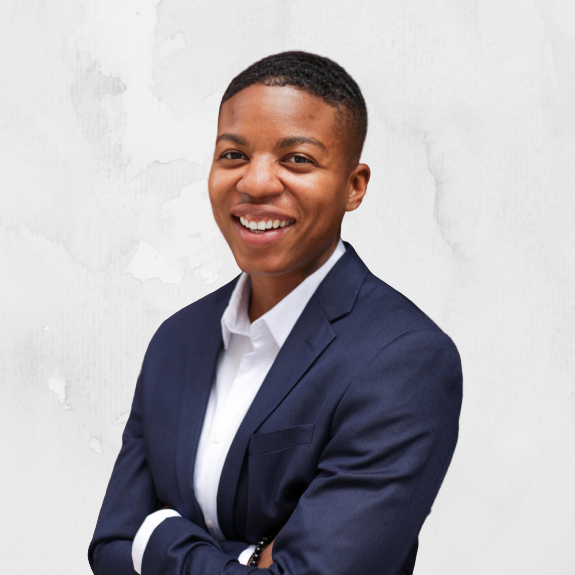
Dominique Johnson
Four generations of one family now live within half a mile of each other in Atlanta, in part because Dominique Johnson helped them see a different possibility for housing.
It started with a family spanning three generations who were living in two separate apartments. Dominique helped them purchase a duplex, allowing a couple with a newborn to live next door to their mom, who could help with daycare. The move cut both their housing and childcare expenses. A year later, the family bought another duplex in the same neighborhood and moved their grandmother in. Now four generations live close enough to support one another—and the family intends to keep investing in the neighborhood.
That project captures much of what Dominique has come to value about real estate: not simply buying and selling property, but understanding what people and neighborhoods need and finding ways for development to respond.
Dominique didn’t always have the language for that approach. She had worked as an aircraft mechanic before moving to Atlanta in 2018 and deciding to make the city home. As she considered what might come next after aviation, she purchased her first property.
At first, the goal was simply to buy a house. But Dominique wanted a more formal education in real estate, so she became a licensed realtor, started attending Real Estate Investors Association meetings, and sought out classes that could help her better understand the industry.
Then a colleague sent her information about the Incremental Development Alliance on Facebook. Dominique remembers having “all these lofty ideas about what I wanted to do, but didn’t have the language. Then someone sent me IncDev, and I was like, ‘Oh wow, this is it.’”
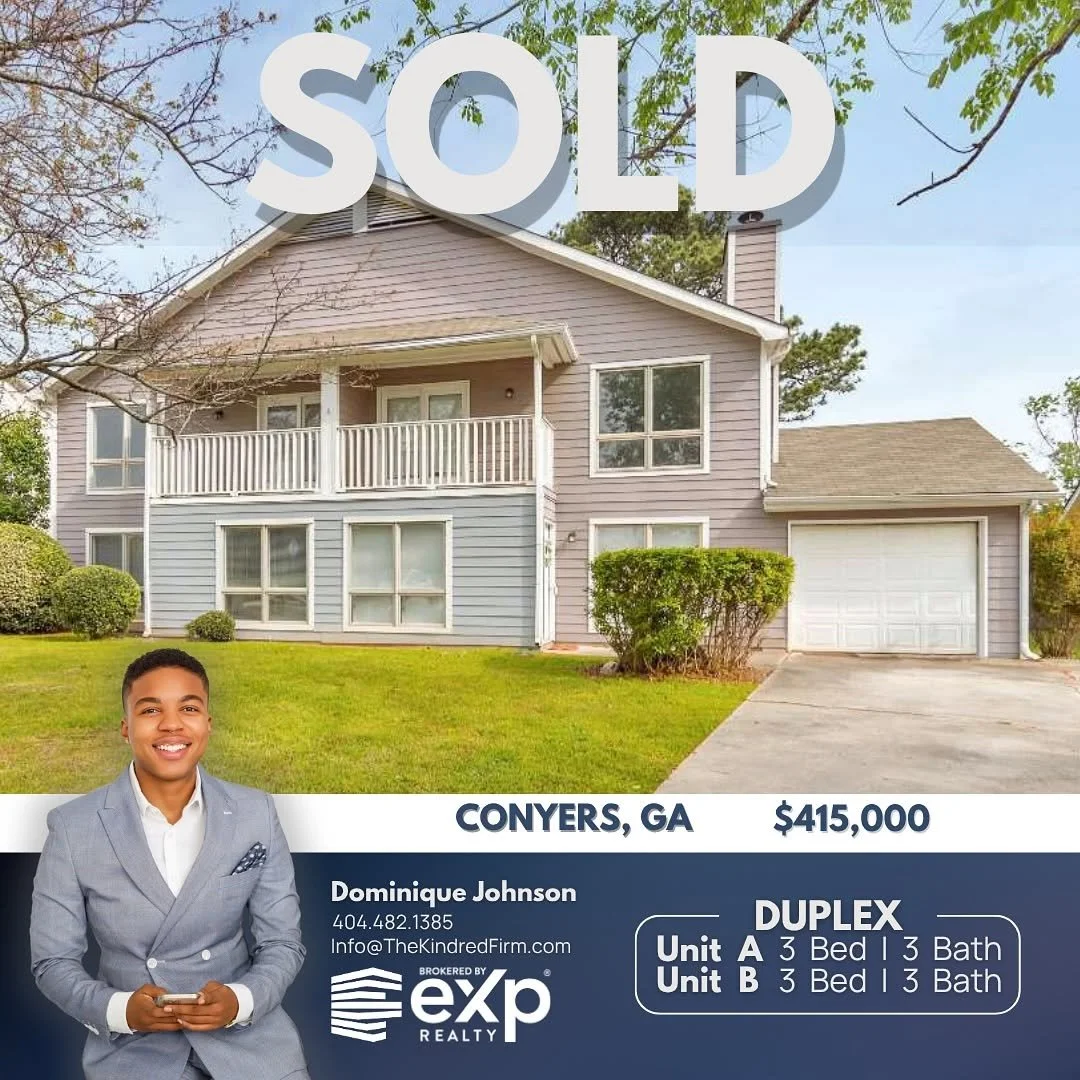
She signed up for an IncDev Boot Camp in Albion, Michigan, in 2019.
At the time, much of the real estate education Dominique encountered centered around “fix and flip, buy and hold, or just sales.” IncDev introduced her to a different approach: development that could be non-institutional, rooted in community building, and attentive to thoughtful design rather than simply knocking something down and building the highest and best use.
The training also encouraged Dominique to rethink how quickly she needed to tackle a major development project. At the time, she was working on an idea to turn an abandoned school into a crash pad. Instead, at the Boot Camp she was encouraged to “do more reps to learn the industry” while also learning her market, her neighborhood, and real estate more broadly.
So that’s what she did. Dominique focused on serving more clients and helping other investors achieve their goals, using each deal as another opportunity to learn. Through brokering, underwriting projects, and figuring out both what makes deals work and what causes them to fall apart, she developed a more comprehensive understanding of consumer needs and the mechanics of real estate.
Along the way, she also discovered that some of the concepts she had learned through IncDev weren’t widely understood in the broader real estate industry. She was surprised, for example, by how many investors and real estate professionals had no idea what “the missing middle” was.
Today, missing middle housing is a focus of Dominique’s work. But pursuing those projects in a fast-growing city like Atlanta comes with significant challenges. She competes against investors and developers with deeper pockets and more established relationships, requiring flexibility and a willingness to work with multiple organizations and agencies or seek grant funding to make projects more financially feasible. Zoning and financing are also persistent obstacles, particularly for the residential multifamily and missing middle projects she specializes in.
For Dominique, the multigenerational duplex project demonstrates why overcoming those barriers matters. It changed how one family was able to intentionally live together, support one another, and build a longer-term presence in their neighborhood.
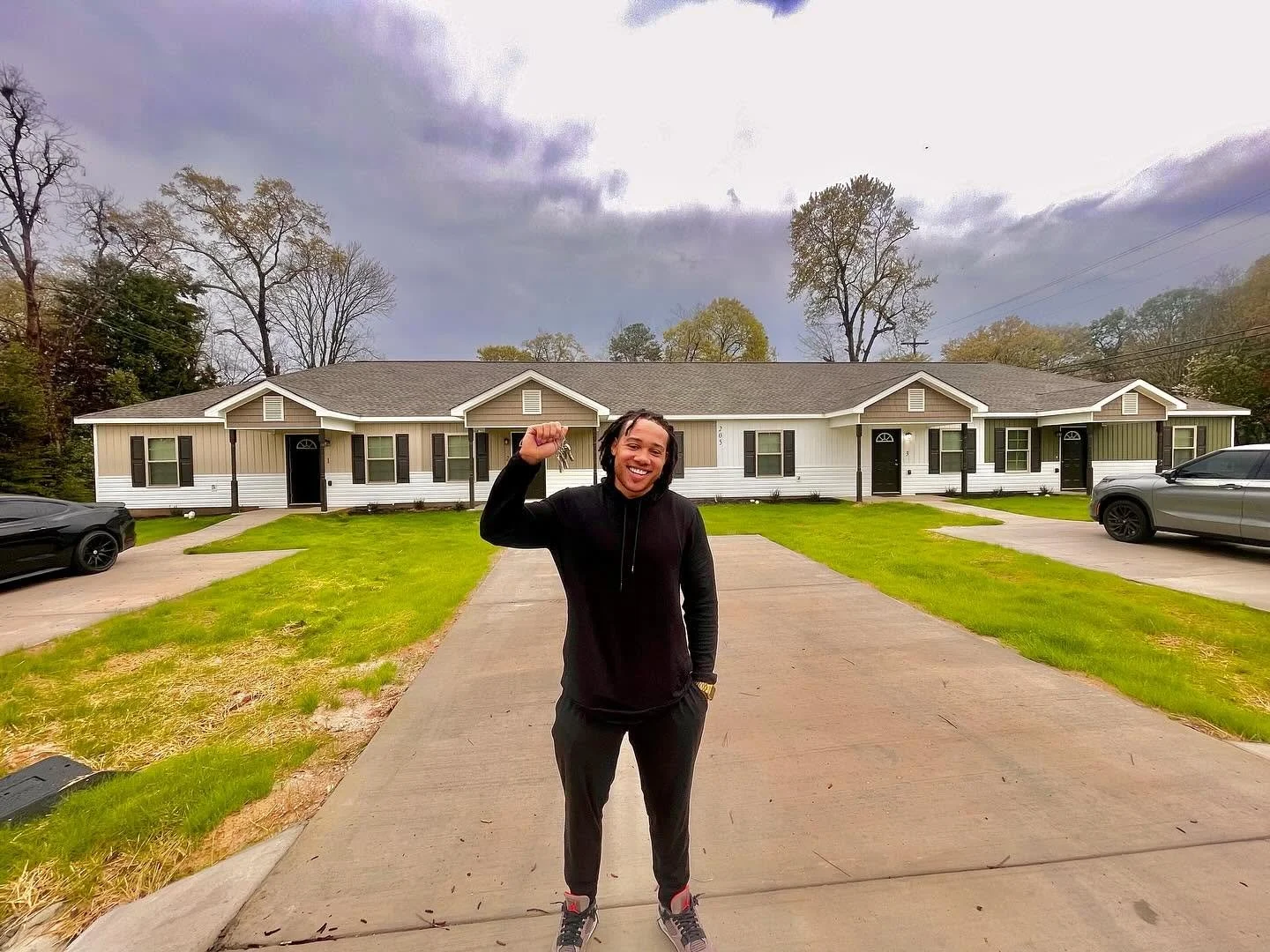
One of Dominique’s clients, celebrating the purchase of a new income-generating rental property
IncDev helped Dominique see that projects like this could be part of a much broader way of thinking about real estate. “IncDev gave me the framework for what I didn’t know was possible.”
Ideas that had once felt lofty or unfounded suddenly had historical and structural context. The training also connected her with a community of people with whom she could share both the frustrations and accomplishments that come with pursuing this kind of development.
That perspective continues to influence how Dominique approaches her work today. She has become increasingly interested in staying rooted in a place: understanding what a neighborhood needs, paying attention to what is coming and going, and developing with that local knowledge in mind.
Her own projects continue to evolve. Dominique is currently working on a triplex, although the project is taking longer than anticipated after going over budget. She and a partner who owns about four acres in Southwest Atlanta are also exploring ADU-style infill, and she has her eye on potential warehouse infill spaces.
Through it all, the ideas Dominique first encountered at that IncDev Boot Camp in Michigan have remained foundational to how she sees neighborhoods and her role in shaping them.
Her advice for someone considering taking an IncDev training is simple: “Do it. The knowledge has been foundational and has completely expanded my worldview in terms of how neighborhoods have come to be, and some of the challenges or things we wish to see in the community.”
Thanks to video creator and storyteller Hope Henchey for the reporting for this article.